Herbal extracts have gained significant traction in global markets due to their diverse applications. The global herbal extract market is projected to reach approximately USD 1.5 billion by 2027, reflecting a growing interest in natural products. As consumers seek healthier alternatives, questions arise: what are herbal extracts used for? These extracts serve various purposes, spanning food and beverage enhancements to cosmetic applications.
In the food industry, herbal extracts boost flavor and preserve freshness. They are vital in crafting functional foods that offer health benefits. Additionally, the cosmetics sector utilizes these extracts for their skin-nourishing properties, appealing to consumers desiring natural skincare solutions. However, not all herbal extracts are created equal. The potency and efficacy can vary widely, and proper scientific validation is often lacking.
Moreover, some herbal extracts are associated with adverse effects if incorrectly used. For instance, improper dosages may lead to allergic reactions. Methodological gaps exist in understanding herbal extracts fully. This situation calls for continued research to enhance safety and efficacy. Thus, while the potential is evident, both consumers and manufacturers must navigate this complex landscape carefully.
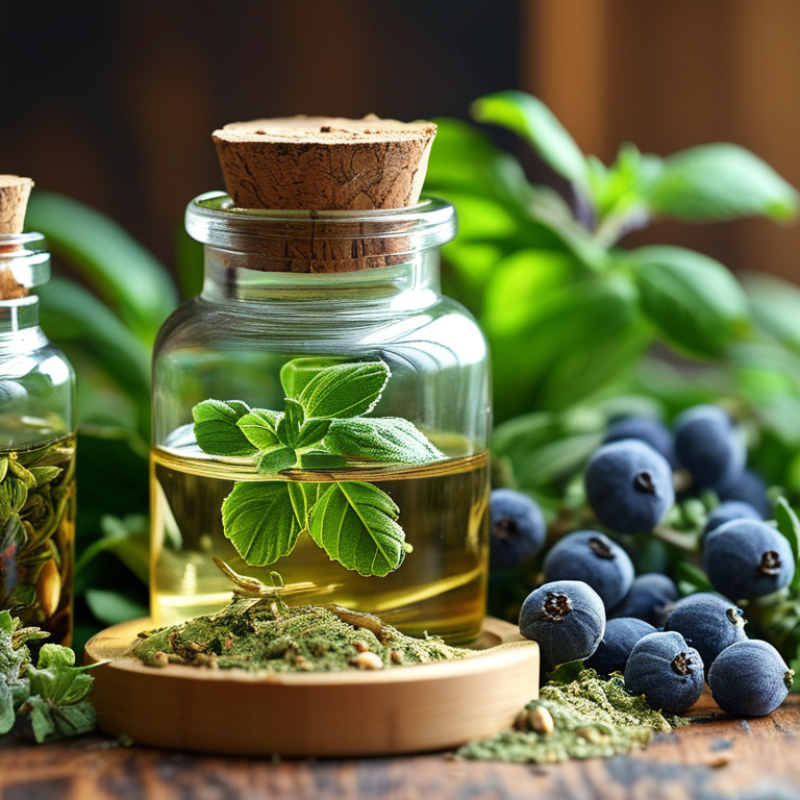
The beverage industry is witnessing a remarkable shift towards herbal extracts. These natural ingredients offer unique flavors and health benefits. Reports indicate that the global herbal extract market is expected to reach $38.5 billion by 2025, fueled by rising health consciousness among consumers. By incorporating herbal extracts into beverages, companies are responding to the demand for natural and functional products.
Recent innovations highlight the use of herbal extracts in various segments, including functional drinks and organic products. Adaptogens like ashwagandha and reishi mushrooms are becoming popular. These ingredients help reduce stress and boost immunity. They attract health-focused consumers who seek holistic wellness solutions. The increase in online shopping also allows companies to showcase their herbal offerings more effectively.
Not all trends guarantee success, however. Some consumers remain skeptical about herbal efficacy. Understanding this hesitation is crucial for brands. Additionally, maintaining consistency in quality can prove challenging. Supply chain issues may also arise due to the reliance on specific plant sources. Hence, while the opportunities for herbal extracts are significant, brands must also navigate the complexities involved.
Herbal extracts play a pivotal role in the pharmaceutical landscape. With the global herbal market projected to reach $42 billion by 2026, their importance cannot be overemphasized. These extracts offer a rich source of bioactive compounds. They contribute to the development of new treatments for various health issues.
Recent data indicates that herbal medicines account for 30% of the total drug sales in developing countries. This fact reveals a significant reliance on traditional therapies. For example, garlic extract shows promise in cardiovascular health. Echinacea has shown efficacy in boosting immune responses. Such applications have been substantiated by numerous studies, highlighting their potential in modern medicine.
Despite their benefits, challenges persist in standardization and regulation. Variability in extraction processes can lead to inconsistent product quality. This makes it crucial for manufacturers to adopt stringent quality control measures. Ongoing research is necessary to identify optimal extraction methods. By addressing these issues, the pharmaceutical industry can better utilize herbal extracts. This would enhance their credibility and integration into global health markets.
Herbal extracts play a pivotal role in the natural cosmetics and personal care industry. Recent market reports indicate that the global market for natural personal care products is expected to reach $25 billion by 2025. These extracts offer multiple benefits, including antioxidant properties and skin healing capabilities, appealing to health-conscious consumers.
Many companies are now blending herbal extracts into skincare formulations. For instance, extracts from aloe vera and chamomile are used for their soothing effects. The growing trend of clean beauty reflects a desire for transparency in ingredient sourcing. However, not all herbal extracts are equal. Quality can vary significantly based on sourcing and processing methods. Consumers sometimes face challenges in understanding these differences.
Moreover, the regulatory landscape is still evolving. The lack of standardization can lead to confusion among consumers. Reports suggest that up to 40% of consumers struggle to identify effective products due to misleading labels. Prioritizing education on herbal extracts is crucial for both manufacturers and consumers. It ultimately influences purchasing decisions in this rapidly growing market.
| Application | Herbal Extract | Benefits | Market Potential (USD) |
|---|---|---|---|
| Skin Care | Aloe Vera Extract | Moisturizing, soothing | 1.5 Billion |
| Hair Care | Green Tea Extract | Antioxidant, strengthens hair | 900 Million |
| Anti-Aging | Ginseng Extract | Energizing, revitalizing | 1.2 Billion |
| Body Care | Lavender Extract | Relaxing, calming | 700 Million |
| Fragrance | Mint Extract | Refreshing scent | 500 Million |
| Makeup | Chamomile Extract | Soothing, anti-inflammatory | 300 Million |
| Sunscreen | Calendula Extract | Skin healing, protective | 400 Million |
| Oral Care | Clove Extract | Antimicrobial, pain relief | 250 Million |
| Foot Care | Tea Tree Extract | Antifungal, refreshing | 150 Million |
| Baby Care | Calendula Extract | Gentle, soothing | 100 Million |
Herbal extracts have deep roots in traditional medicine across various cultures. They serve not just as remedies but also as cultural symbols. For example, in Traditional Chinese Medicine, ginseng is revered for its strength-giving properties. It often finds its way into teas and tonics, representing vitality and balance.
In India, Ayurveda incorporates a variety of herbal extracts like turmeric and ashwagandha. These extracts are celebrated for their anti-inflammatory and adaptogenic qualities. People often rely on them for holistic healing. However, as interest in these practices grows globally, there are gaps in authenticity and standardization. Some products claim benefits without solid evidence.
Cultural significance carries weight, yet it prompts questions about appropriation and understanding. The challenge remains to respect these traditions while ensuring safety and efficacy. Without careful consideration, the essence of these practices may be lost, overshadowed by commercialization. Traditional knowledge must be honored and rigorously evaluated to prevent the dilution of these time-honored remedies.
The global market for herbal extracts is rapidly evolving. As consumer demand increases, new opportunities arise in emerging markets. Countries in Asia, Africa, and Latin America show significant potential for growth. These regions have rich biodiversity and traditional knowledge of herbal remedies. Yet, tapping into these markets presents challenges. Lack of regulatory frameworks can hinder growth.
Moreover, quality control remains a pressing issue. Many herbal products lack standardization, leading to inconsistencies. This inconsistency can affect consumer trust and market stability. There’s also a growing demand for sustainable practices. Ensuring fair trade and ethical sourcing is crucial. Companies need to educate farmers and invest in sustainable practices.
Emerging markets are filled with possibilities, but they require careful navigation. Understanding local cultures and consumer preferences is essential. However, businesses often underestimate these factors. Conducting thorough market research can help bridge gaps. Engaging with local communities builds trust and brand loyalty. This approach could turn challenges into opportunities for growth.
: Herbal extracts are vital in developing new treatments for various health issues and improving global health.
Herbal medicines account for 30% of total drug sales in developing countries, highlighting their reliance on traditional therapies.
Garlic extract supports cardiovascular health, while Echinacea boosts the immune system. Both have research backing their efficacy.
Variability in extraction processes leads to inconsistent quality. This inconsistency necessitates strict quality control measures.
Herbal extracts are cultural symbols in medicine, needing respect for traditions while ensuring safety and efficacy amidst commercialization.
Regions like Asia, Africa, and Latin America offer growth due to biodiversity, but require navigating regulatory challenges and quality control.
Sustainable practices and fair trade are crucial for building consumer trust and maintaining market stability.
Companies need to understand local cultures, conduct market research, and engage with communities to build trust and loyalty.
Rapid commercialization can dilute the essence of traditional practices, risking authenticity and consumer understanding.
Ongoing research and rigorous evaluation of traditional knowledge is vital to ensure safety and maintain the integrity of herbal remedies.
Herbal extracts are versatile substances with a wide array of applications across different global markets. In the food and beverage industries, innovations have led to unique flavor profiles and health benefits, making them increasingly popular among consumers seeking natural ingredients. Additionally, what are herbal extracts used for in the pharmaceutical realm? They play a significant role in enhancing global health through natural remedies and treatments, contributing to an increase in holistic healthcare approaches.
In the realm of cosmetics and personal care, herbal extracts are valued for their natural properties, providing effective alternatives for skin and hair care products. Furthermore, traditional medicine practices around the world highlight the cultural significance of these extracts, preserving ancestral knowledge while addressing modern health needs. As emerging markets continue to explore these opportunities, they also face challenges in regulation and supply chain dynamics, making it essential to navigate this landscape carefully.

Rubrum Biologics