When exploring herbal products, many people wonder, what is the difference between herbal extracts and herbal powders? Both forms are derived from plants, but they serve distinct purposes. Herbal extracts are concentrated versions of the desired compounds in a plant. They often involve solvents like water or alcohol, which extract beneficial constituents.
On the other hand, herbal powders contain the whole dried plant material, ground into fine particles. They offer a more complete profile of the plant's benefits but may lack the potency of extracts. Each form has its unique applications, depending on one’s needs and preferences.
Though both herbal extracts and powders have their merits, it’s crucial to consider personal goals and health needs. Understanding these differences can lead to informed choices. For those looking to enhance their wellness routines, this knowledge can be empowering. Ultimately, the decision between the two may be subjective, influenced by experience and desired outcomes.
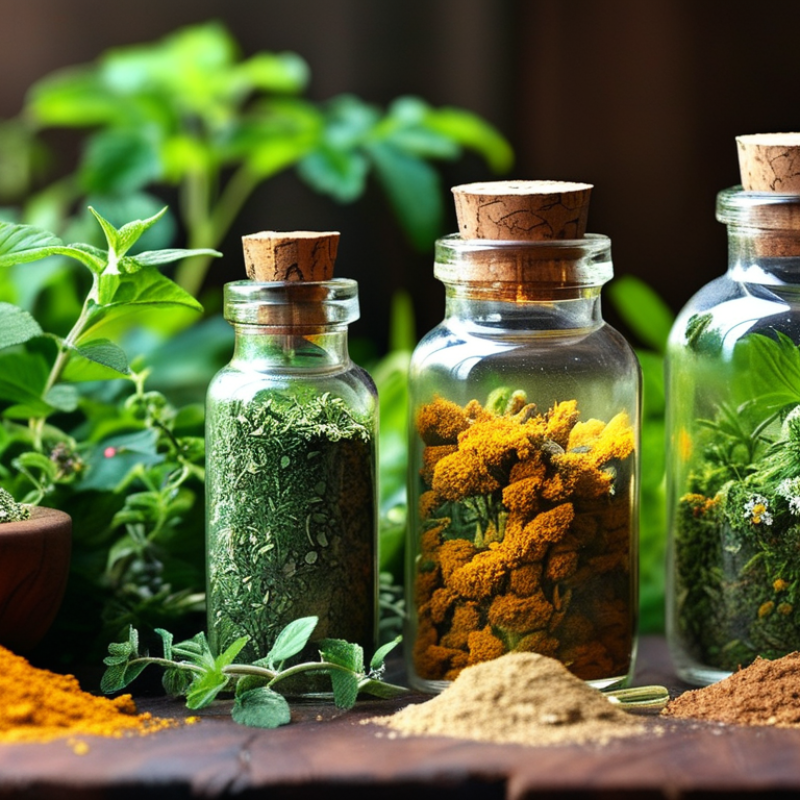
Herbal extracts are concentrated forms of plant compounds. They are created through various methods, such as solvent extraction or distillation. This process captures the essential elements of the plant. According to a report by the American Herbal Products Association, extracts often contain higher levels of active ingredients compared to their powdered counterparts. This potency can lead to more effective therapeutic outcomes.
Characteristic features of herbal extracts include their liquid form and ease of dosage. Many individuals prefer extracts for their convenience, especially in tinctures or liquid formulas. However, this concentration raises an important issue: not all products are created equal. Variations in extraction methods can affect quality and efficacy. Research by the National Center for Complementary and Integrative Health highlights the variability in herb potency, emphasizing the need for quality assurance in supplements.
While herbal powders retain the full spectrum of a plant's components, they may lack the focused potency found in extracts. For some users, the taste and texture of powders can be less appealing. Therefore, personal preference plays a crucial role in choosing between these two forms. As consumers, we must critically assess our options, ensuring that we select products with reliable sourcing and transparent labeling practices.
Herbal powders are finely ground forms of whole plants or specific plant parts. They retain the plant's nutrients, fiber, and bioactive compounds. This makes them valuable in traditional medicine and modern herbalism. Studies show that herbal powders can provide health benefits due to their rich content. For instance, a study published in the Journal of Ethnopharmacology reported that herbal powders from turmeric and ginger displayed significant anti-inflammatory properties.
The properties of herbal powders depend on the source plant. Their texture allows for versatile applications in culinary dishes, supplements, and natural remedies. Using herbal powders may enhance nutrient absorption due to their concentrated nature. However, not all herbal powders are created equal. The quality can vary based on processing methods. Some powders may lack potency if not produced under strict quality control.
Importantly, consumers should be cautious when incorporating herbal powders into their diets. Ensuring the purity and sourcing of these powders is essential. Some may contain contaminants or additives that can alter their efficacy. Industry reports suggest that up to 25% of herbal products may deviate from their labeled content. This underlines the importance of choosing reputable suppliers and staying informed about product quality.
| Characteristic | Herbal Extracts | Herbal Powders |
|---|---|---|
| Form | Liquid or thick viscous | Dry powder |
| Concentration | High concentration of active ingredients | Variable concentration, may require larger doses |
| Bioavailability | Generally higher bioavailability | May have lower bioavailability |
| Preparation Method | Extracted using solvents (water, alcohol) | Ground from the whole plant material |
| Usage | Often used in tinctures, topical applications | Commonly used in capsules, teas, cooking |
| Shelf Life | Often shorter, sensitive to light and heat | Generally longer, if stored properly |
Herbal extracts and herbal powders differ significantly in preparation methods. Extracts are usually made by soaking plant materials in solvents like water or alcohol. This process draws out the active compounds, resulting in a concentrated liquid. Extracts can have a strong flavor and aroma. They are often used in smaller doses due to their potency.
On the other hand, herbal powders are created by grinding dried plant materials. This method preserves the entire plant, including fiber and nutrients. Powders can be added to foods or drinks, providing a milder flavor compared to extracts. However, they may require larger servings to achieve the desired effects.
Tips: When choosing between an extract and a powder, consider your purpose. Extracts are more suitable for targeted effects, while powders are good for overall nutrition. It’s crucial to source high-quality products. Researching reliable suppliers can ensure you receive effective herbal products. Always pay attention to dosage and your body's responses when incorporating these into your routine.
Herbal extracts and powders offer distinct nutritional benefits. Extracts typically contain concentrated compounds, making them more potent. They often provide targeted health benefits in smaller doses. For instance, herbal extracts may deliver higher levels of antioxidants or specific phytochemicals than their powdered counterparts. Powders, however, retain more of the whole plant's nutrients, offering a broader nutrient spectrum.
When considering nutritional profiles, the absence of certain components can lead to a less balanced intake in extracts. Some vitamins and minerals may be lost during the extraction process. On the other hand, powders may lack the concentration of beneficial compounds, especially in therapeutic doses. This gap can influence effectiveness, especially for those seeking specific health outcomes.
Your choice should align with your health goals. For daily wellness, powders could be more beneficial. They allow easy integration into meals, smoothies, or teas. Yet, for targeted health issues, extracts may hold an advantage. Users often find themselves reflecting on their needs and experiences with both forms.
Herbal extracts and herbal powders serve different purposes in natural health. Extracts are often more concentrated. They contain active compounds, which can enhance potency. Research shows that extracts can be up to ten times stronger than powders. This is crucial when targeting specific health issues.
In contrast, herbal powders retain the full spectrum of plant components. They may take longer to digest, but they offer the entire plant's benefits. For example, powdered herbs are commonly used in culinary recipes and teas. A study from the Journal of Herbal Medicine reported that powders can have an average absorption rate around 30%, whereas extracts often reach 80% or higher.
Both forms have unique applications. Extracts are typically used in supplements, while powders serve in dietary integrants. However, the choice between them depends on individual needs. Some users may feel overwhelmed by the options. Understanding these differences is key for effective use in herbal remedies.
: Herbal extracts are concentrated forms of plant compounds created through methods like solvent extraction or distillation.
Extracts are concentrated liquids from plant compounds, while powders are ground dried plant materials preserving the full spectrum of nutrients.
Extracts often contain higher levels of active ingredients, making them potentially more effective for targeted health benefits.
Extracts are made by soaking plant materials in solvents, while powders result from grinding dried plants.
Yes, extraction methods can affect the quality and potency of herbal products, making quality assurance important.
Consider your health goals and preferences. Extracts offer targeted effects, while powders provide overall nutrition.
No, extracts may lose some vitamins and minerals during extraction, while powders retain more of the whole plant’s nutrients.
Powders can be easily added to food and drinks, and they may provide a broader nutrient spectrum for daily wellness.
Some people may prefer the convenience of extracts, while others might favor the taste and texture of powders.
Users may overlook proper sourcing and labeling, which can lead to ineffective or poor-quality herbal products.
The article "What is the Difference Between Herbal Extracts and Herbal Powders?" explores the unique characteristics and applications of these two forms of herbal preparations. Herbal extracts are concentrated solutions obtained through the extraction of active compounds from plants, typically using solvents. They often retain a higher potency of beneficial properties. In contrast, herbal powders are created by grinding dried herbs into a fine texture, preserving the full spectrum of nutrients and fiber, but with a lower concentration of specific active compounds.
Key differences between the two include their preparation methods, nutritional profiles, and common uses. Extracts tend to be favored for targeted therapeutic applications due to their concentrated nature, whereas powders are often used in culinary practices and for general health benefits. Understanding these distinctions helps individuals choose the right form based on their health needs and preferences.
Rubrum Biologics