The world of herbal extracts is both fascinating and complex. Buyers across the globe are increasingly seeking natural products. Their demand raises the important question: how are herbal extracts made?
Understanding the production process is crucial for buyers. It involves careful selection of plants, meticulous extraction methods, and quality assurance practices. Each step influences the final product's potency and effectiveness. Small variations in procedure can lead to significant differences in quality.
Transparency is essential in this industry. Buyers want to trust in what they consume. The process can be intricate, often requiring specialized knowledge. As the market grows, producers must reflect on their practices. Ensuring authenticity and quality presents ongoing challenges. While advancements have been made, there is always room for improvement in ensuring consistency.
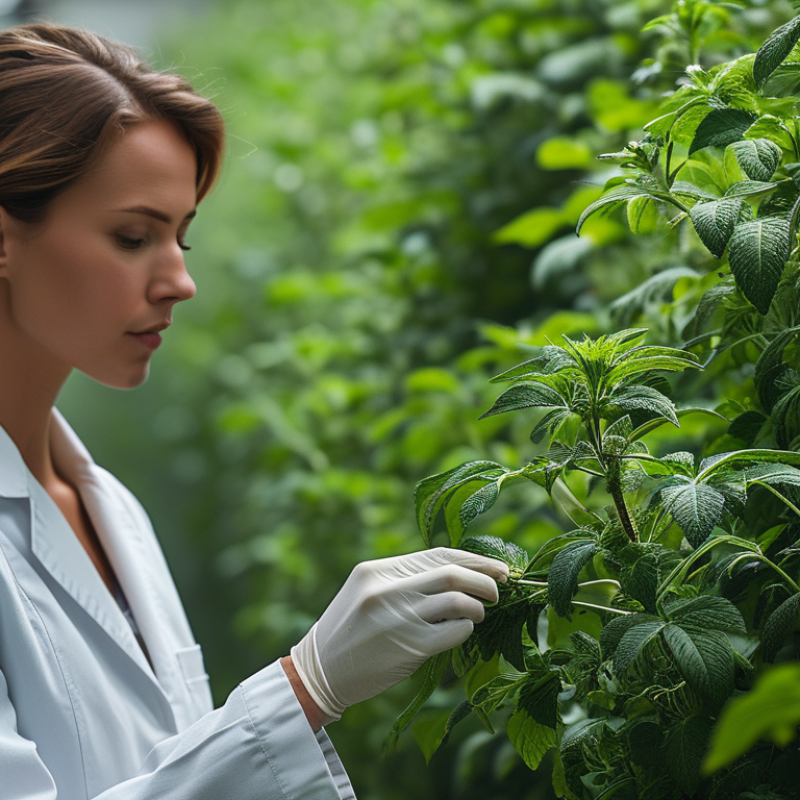
The quality of raw materials in herbal extraction plays a crucial role in the final product. Sourcing from reputable suppliers ensures the ingredients meet strict quality standards. Not all suppliers adhere to these practices. This inconsistency can lead to varying efficacy and safety levels in the extracts.
Local climate and soil conditions significantly influence the quality of herbs. Different regions produce distinct compounds in their plants. Some plants may lose potency if harvested at the wrong time. It’s essential to understand these factors when selecting raw materials. Ignoring them can compromise the extraction process.
Ethical sourcing also matters. Sustainable practices preserve biodiversity and support local communities. However, transparency is often lacking in the supply chain. Buyers need to critically evaluate their sources. A lack of diligence here can lead to unintended consequences for both consumers and producers.
Creating herbal extracts involves a meticulous process that captures the essence of plants. The first step is sourcing high-quality herbs. This requires knowledge of local growing conditions. Proper identification of the plant species is crucial. Incorrect identification can lead to ineffective or even harmful extracts.
Once the herbs are selected, they undergo cleaning. This removes dirt and impurities, ensuring that the final product is safe. After cleaning, the herbs are dried. This step is important, as moisture can lead to mold growth. However, over-drying can destroy essential compounds. It's a delicate balance and requires careful monitoring.
Next, extraction methods come into play. Common methods include steam distillation and solvent extraction. Each method has its pros and cons. For instance, solvent extraction can yield a higher concentration, but it may introduce unwanted residues.
Tips: Always choose herbs from trusted sources. Verify their origin to ensure ethical harvesting. Keep in mind that not all extracts are created equal. Some may lack potency due to poor extraction practices.
Throughout the process, consistency is key. Variations in temperature, duration, and herb quality can affect the results. Continual reflection on these factors can help improve overall quality in herbal extraction.
Herbal extraction involves several methods, each with unique benefits and drawbacks. The most common techniques include steam distillation, cold-press extraction, and solvent extraction.
Steam distillation is popular for essential oils. It preserves the plant's properties well. However, it may not yield as much extract as other methods.
Cold-press extraction is preferred for citrus peels. It retains vibrant flavors and scents. Yet, it struggles with more complex plant materials.
Solvent extraction can deliver potent extracts, but it raises concerns about residual chemicals. Therefore, understanding these processes helps buyers make informed decisions.
Tips: Consider the source of the herbs. Organic options often provide cleaner extracts. Evaluate the extraction method to align with desired outcomes. Quality matters; ask for transparency in sourcing and processing. Each method's efficiency varies. Some are highly effective, while others may dilute active compounds.
Quality control in herbal extract production is vital for ensuring products meet global market standards. According to a report by the World Health Organization (WHO), about 80% of the world’s population relies on herbal medicine. This increasing demand demands rigorous quality measures.
The process begins with stringent raw material selection. Harvesting at the right time is crucial. Mismanagement can lead to subpar quality. Tests for chemical residues, heavy metals, and microbial contaminants are essential. Studies highlight that nearly 30% of herbal products fail standard tests due to contamination. This statistic raises concerns over consumer safety.
Furthermore, compliance with international standards, like Good Manufacturing Practices (GMP), is necessary. Lack of adherence can result in severe consequences. Herbal extracts that do not pass these checks can’t be marketed in major markets. Transparency in sourcing and quality assessment builds trust. However, not all producers prioritize these practices. The gap in quality control can reflect poorly on the entire industry.
The global demand for herbal extracts continues to rise. Market reports indicate that the global herbal extract market is projected to reach over $9 billion by 2026, growing at a CAGR of 7% from 2021. This growth reflects an increasing consumer shift toward natural products, driven by health-conscious behaviors. Consumers now prefer herbal remedies over synthetic alternatives, prompting suppliers to innovate and adapt their offerings.
The demand is particularly strong in regions like North America and Europe. Recent studies show that North America holds a significant share of the market, influenced by changing consumer preferences. Additionally, reports reveal rising interest in functional foods and dietary supplements, which are often infused with herbal extracts. This trend underscores the importance of transparency and quality in sourcing these materials. Suppliers must ensure product reliability to meet consumer expectations.
Despite the positive outlook, challenges remain. Quality control across sourcing and extraction processes can vary. Inconsistent regulations in different regions may also affect market stability. Companies need to focus on improving extraction techniques and ensuring sustainable sourcing practices. This could help address some concerns about efficacy and safety. The future of herbal extracts will depend on balancing demand with quality assurance and sustainability.
: Quality raw materials ensure safety and efficacy in herbal products. Poor sources can lead to ineffective extracts.
Local conditions determine the compounds present in plants. Harvesting at the wrong time can diminish their potency.
Ethical sourcing supports biodiversity and local communities. However, many supply chains lack transparency, raising concerns.
Quality control involves selecting quality raw materials, testing for contaminants, and adhering to regulations like Good Manufacturing Practices.
Studies show that nearly 30% of herbal products fail tests due to contamination. This is alarming for consumer safety.
Increasing health-conscious behaviors are shifting consumers towards natural products, influencing market growth towards herbal remedies.
North America and Europe are key markets for herbal extracts, driven by changes in consumer preferences and functional foods.
Quality control varies and regulations differ by region. Companies must improve extraction processes and sourcing practices.
Transparency in sourcing and quality assessment is crucial. Consumers favor brands that prioritize quality and ethical practices.
Balancing demand with quality assurance and sustainability will be critical for the future of herbal extracts.
The article "How are Herbal Extracts Made for Global Buyers?" delves into the comprehensive process of herbal extraction, highlighting the critical importance of selecting quality raw materials. The extraction process involves a systematic approach that ensures the effectiveness of the herbal compounds. Various methods of extraction are discussed, each with its unique advantages and disadvantages, enabling producers to tailor their processes according to desired outcomes.
Furthermore, the article emphasizes the necessity of adhering to stringent quality control standards to meet global market demands. Recent market reports are analyzed to identify growing trends in the consumption of herbal extracts, showcasing the increasing interest and demand in this sector. Overall, understanding how herbal extracts are made is essential for producers aiming to succeed in the competitive global marketplace.

Rubrum Biologics