Herbal extracts are becoming increasingly important in the cosmetic industry. According to a recent market report by Grand View Research, the global herbal cosmetics market is projected to reach USD 13.2 billion by 2026, driven by consumers seeking natural alternatives. How are herbal extracts used in cosmetics? These extracts are valued for their potential benefits, such as anti-aging, moisturizing, and calming properties.
Expert Dr. Emily Carter, a leading cosmetic scientist, emphasizes, "Herbal extracts offer unique benefits that synthetic ingredients often cannot replicate." This insight highlights a growing trend in formulations that prioritize natural ingredients. Brands are keen to explore the efficacy of these extracts to meet consumer demand.
However, sourcing quality herbal extracts poses challenges. Not all suppliers guarantee the purity and potency of their products. Brands must be vigilant in their selection process. Reflecting on industry practices, it becomes clear that transparency and quality assurance are essential for success. Without careful evaluation, companies risk compromising their products' integrity. As awareness of herbal extracts grows, so too does the responsibility of brands to ensure their authenticity.
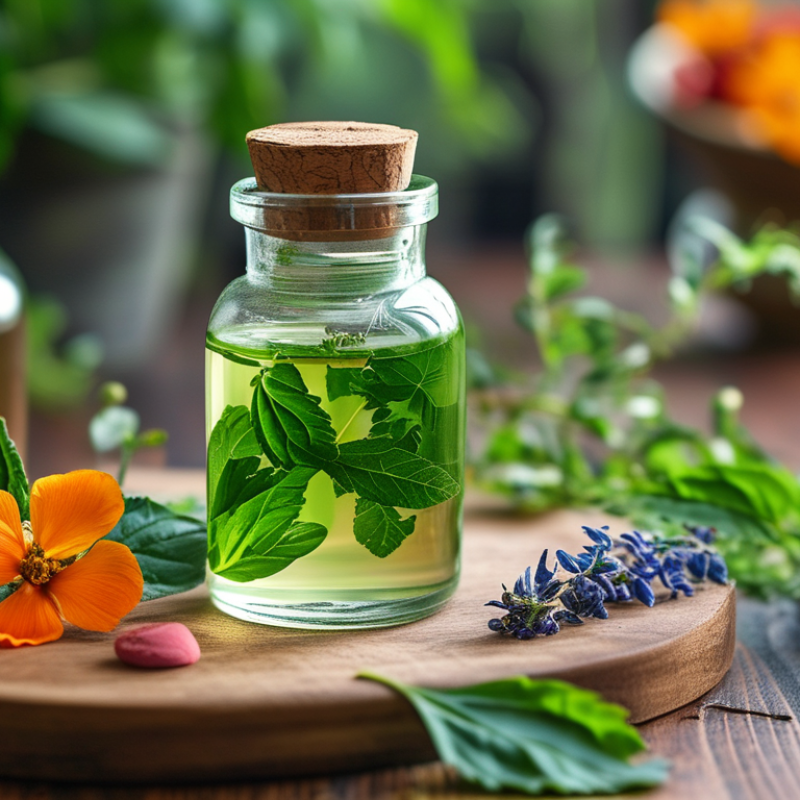
In recent years, herbal extracts have gained popularity in the cosmetics industry, particularly for their anti-aging properties. Many consumers now seek products that harness the power of nature to combat signs of aging. Extracts like green tea, ginseng, and aloe vera not only provide hydration but also combat oxidative stress. These ingredients contain bioactive compounds known to enhance skin texture and elasticity.
Sourcing high-quality herbal extracts can be challenging. It’s important to work with reputable suppliers who prioritize sustainable farming practices. Quality can vary significantly, so rigorous testing for potency and purity is essential. Look for suppliers that provide certifications and transparent sourcing information.
Consider formulating products that blend various herbal extracts for synergistic effects. For instance, mixing ginseng with chamomile could offer both rejuvenation and calming properties. Don't hesitate to experiment with different concentrations to find the right balance. Frequent feedback from consumers can guide adjustments in formulations. In this journey, embrace failures as learning opportunities to improve product efficacy and achieve greater consumer satisfaction.
: Green tea, ginseng, and aloe vera are popular for their anti-aging properties. They hydrate and combat oxidative stress effectively.
High-quality sourcing impacts product effectiveness. Working with trustworthy suppliers is key to ensuring purity and potency.
Blending different herbal extracts can create synergistic effects. For instance, ginseng mixed with chamomile offers both rejuvenation and calming properties.
Brands must check the origin and extraction methods of herbs. Certifications and quality testing are crucial for reliable products.
Consumers seek products free from synthetic chemicals. Natural ingredients provide perceived safety and effectiveness, making them appealing.
Consumer feedback is essential for refining products. Use their insights to adjust formulations and enhance effectiveness.
Challenges include lack of transparency from suppliers and variability in extract quality. Verification is essential for maintaining product reliability.
It’s a balance of efficacy and sustainability. Frequent reassessment is vital to foster consumer trust and ongoing improvement.
Yes, failures can occur. However, they provide valuable lessons for better product efficacy and consumer satisfaction.
It involves consistently verifying and sharing sourcing practices. This builds trust between brands and consumers.
The article "2026 Top Uses of Herbal Extracts in Cosmetics: How to Source Them?" explores the increasing role of herbal extracts in the cosmetic industry, particularly for their anti-aging properties. It highlights market trends that reflect a significant growth in demand for natural ingredients, as consumers increasingly prefer products formulated with plant-based components.
Additionally, the piece provides insights into effective sourcing practices for quality herbal extracts, emphasizing the importance of considering factors such as purity and sustainability. As regulations around cosmetic ingredients evolve, understanding how herbal extracts are used in cosmetics will be essential for compliance while meeting consumer preferences. This shift toward natural formulations not only benefits consumers seeking effective beauty solutions but also aligns with the broader trend toward environmentally conscious products in the beauty market.

 Rubrum Biologics