Direct supply of high-purity botanical raw extracts and specialized industrial extraction systems conforming to international validation frameworks.
A technical guide to navigating the global supply chain, purity standards, and manufacturing advancements in plant-derived bio-actives.
The global demand for natural compounds, functional ingredients, and bio-based raw materials has undergone a structural paradigm shift. No longer confined to traditional wellness formulations, botanical extracts are now standard components in advanced pharmaceuticals, clinical nutraceuticals, clean-label food engineering, and cosmeceutical applications. This whitepaper analyzes the operational criteria for identifying top-tier herbal extraction manufacturers and evaluates the technological frameworks that ensure efficacy, safety, and supply-chain resilience on a global scale.
In prioritizing the "Top 10" manufacturers globally, procurement departments and formulation scientists must look past basic volume capacities. The evaluation matrices must include green extraction methods, carbon footprint minimization, sustainable wildcrafting, compliance with global food codes (FDA, EFSA, CFDA), and the implementation of robust Good Manufacturing Practices (cGMP).
Core pillars of technical competence that separate industrial manufacturers from standard toll processors.
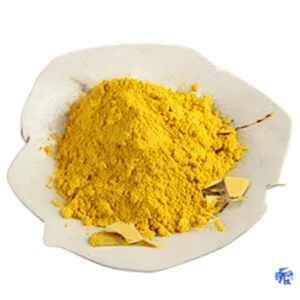
The ability to guarantee batch-to-batch consistency of primary target compounds (e.g., Luteolin, Berberine, Lutein, or specific Polysaccharides) despite environmental shifts in raw crop harvests.
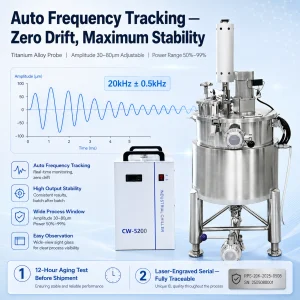
Deployment of advanced, zero-residue extraction methodologies, including supercritical carbon dioxide (scCO2), subcritical water extraction, and high-frequency acoustic ultrasonic cavitation.
A dynamic compliance infrastructure ensuring products meet local and global standards, including US FDA regulations, European Food Safety Authority (EFSA) requirements, and botanical traceability protocols.
A recurring technical challenge in modern formulations is compound degradation due to thermal exposure. Standard extraction procedures rely on high temperatures that often destroy sensitive molecules, such as fragile proteins or volatile oils. This has driven leading manufacturers to prioritize cold-extraction technologies, such as freeze-drying (FD) processes and industrial ultrasonic systems. By avoiding excessive heat, these techniques keep raw ingredients highly active and bioavailable.
A profile of an industry-leading manufacturer pioneering research, development, and supply-chain transparency.
Shenzhen Rubrum Biologics Co., Ltd. is a leading China herbal extract manufacturer specializing in the research, development, production, and supply of high-quality natural plant extract ingredients for the food, supplement, and cosmetic industries. With a strong focus on innovation, quality assurance, and sustainable sourcing, the company serves customers worldwide with reliable botanical ingredient solutions.
Leveraging advanced extraction technologies and modern manufacturing facilities, Shenzhen Rubrum Biologics offers a comprehensive portfolio of herbal extracts, botanical powders, natural active ingredients, and customized plant-based formulations. Its products are widely used in dietary supplements, functional foods, beverages, nutraceuticals, personal care products, cosmetics, and wellness applications.
The company is committed to maintaining the highest standards throughout the entire production process, from raw material selection to final product delivery. By implementing rigorous quality control procedures and advanced analytical testing methods, Shenzhen Rubrum Biologics ensures product consistency, purity, and safety in accordance with international quality requirements.
Driven by a dedicated research and development team, the company continuously explores innovative extraction technologies and new botanical applications to meet the evolving needs of global markets. Customized solutions are available to help customers optimize product performance, enhance formulation efficiency, and accelerate product development.
With a customer-oriented philosophy, competitive manufacturing capabilities, and a stable global supply network, Shenzhen Rubrum Biologics Co., Ltd. has established long-term partnerships with manufacturers, distributors, and brand owners across numerous countries. The company remains committed to delivering premium natural plant extract ingredients that support healthier lifestyles and sustainable industry development worldwide.
How standardized herbal extractions are utilized across key commercial, scientific, and industrial sectors.
Industrial applications of botanical extracts depend on the vehicle of delivery. Suppliers must customize active ingredients for different delivery formats, ensuring stability in oily, aqueous, or powder bases. Below is a breakdown of how plant extracts serve key sectors:
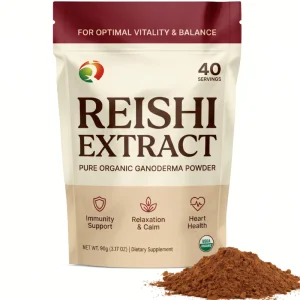
Primary focus is on bioavailability, high concentration, and structural safety. Standardized botanicals like high-purity Berberine HCl (97%) and concentrated Reishi Polysaccharides support metabolic health, immune modulation, and targeted wellness formulations.
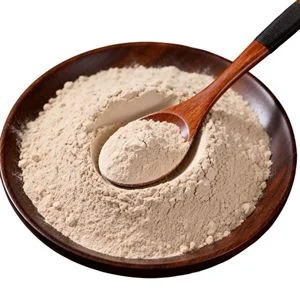
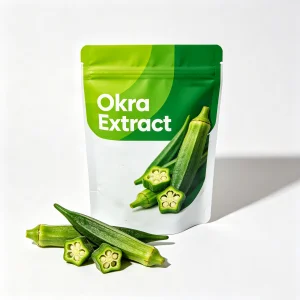
Requires ingredients with pleasant taste, heat stability, and water solubility. Examples include Okra Extract Powder for digestive support, and freeze-dried root powders that add nutrients without altering product texture or flavor.
Relies on antioxidants and skin-soothing compounds. Luteolin and Marigold-derived Lutein shield skin cells from oxidative stress, blue light, and UV damage, making them valuable additions to premium anti-aging formulations.
The next generation of plant-based extraction: combining biotechnology, automated control, and molecular isolation.
The botanical extraction industry is transitioning from manual, batch-based operations to automated, continuous-flow processing. Driven by artificial intelligence and real-time analytical chemistry, modern factories can monitor raw materials on the fly. Key trends shaping the future of botanical manufacturing include:
Understanding the regulatory standards required to operate in highly regulated global markets.
For global supply chains, botanical raw materials must comply with a complex web of regional rules. Leading manufacturers invest heavily in third-party validation and quality management certifications. Essential standards for key global markets include:
In addition to these certifications, top-tier manufacturers must verify trace element safety. This includes proving that heavy metals (Lead, Cadmium, Arsenic, Mercury), pesticide residues, and solvent levels fall well below limits set by the USP (United States Pharmacopeia) and European Pharmacopoeia. These rigorous tests ensure safe delivery to global consumer brands.
Expert insights addressing key challenges in botanical sourcing, formulation chemistry, and quality control.
Standardized extracts are calibrated to contain a precise percentage of a specific bioactive compound (e.g., 97% Berberine Hydrochloride or 5% Lutein), ensuring reliable, repeatable dosing. Ratio extracts (e.g., 10:1) represent the starting weight of the raw herb relative to the finished extract weight, but do not guarantee a fixed level of active molecules.
Maintaining stability in liquids requires modifying physical properties, such as spray-drying active ingredients with carrier matrices (like acacia gum or maltodextrin) or using liposomal and nano-emulsified lipid carriers to prevent precipitation and oxidation.
We analyze residual solvents using Headspace Gas Chromatography coupled with Mass Spectrometry (HS-GC-MS), in compliance with USP <467> and EP 5.4 guidelines. This ensures all volatile organic compounds are well below safe regulatory thresholds.
Freeze-drying uses sublimation under vacuum, bypassing liquid water states and high heat. This process protects temperature-sensitive active compounds, enzymes, and delicate volatile oil profiles, preserving their biological activity.
Shenzhen Rubrum Biologics production infrastructure, GMP-compliant clean rooms, and quality control departments.
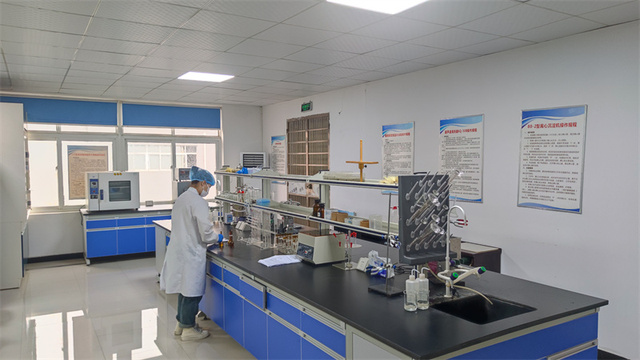
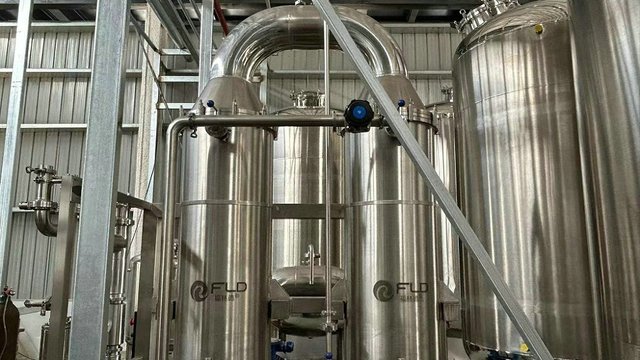
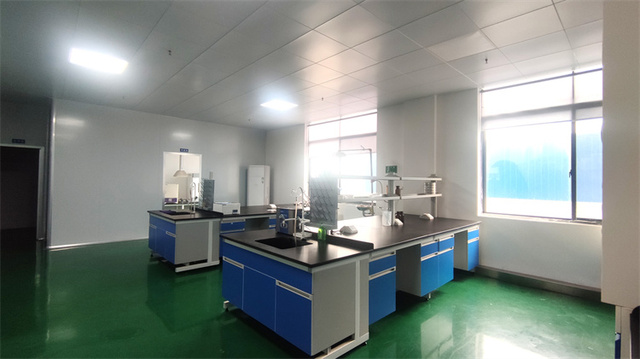
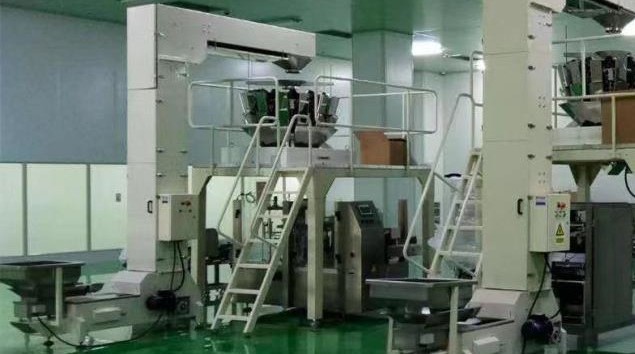
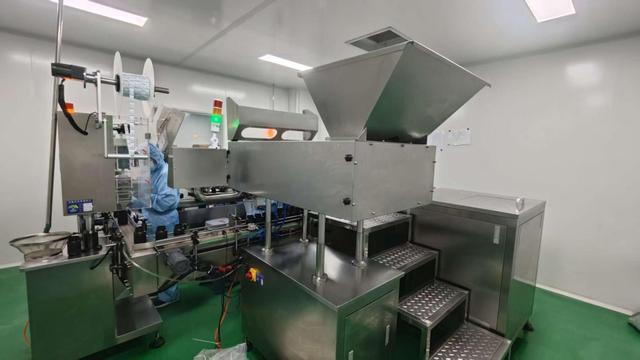
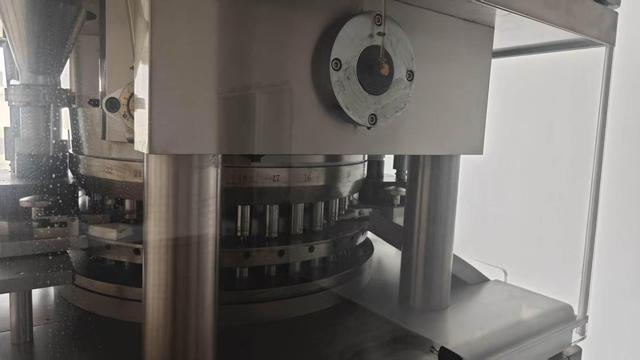
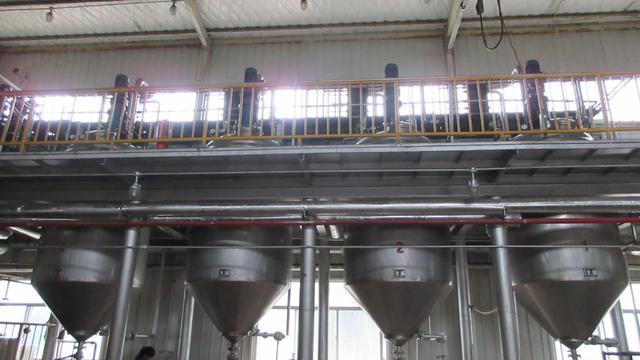
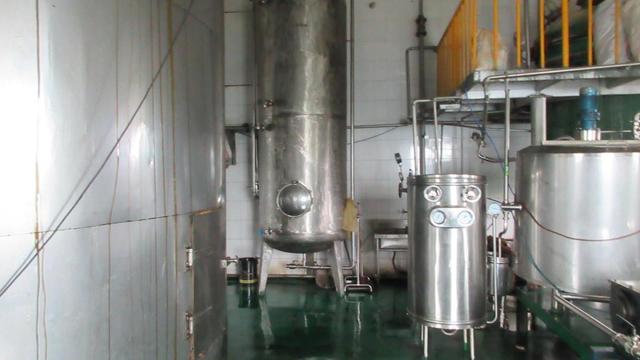
Explore our specialized botanical extracts and advanced industrial equipment designed for high-throughput processing.
 Rubrum Biologics