Rubrum Biologics
Chapter 1: The Bio-Economy of Marine Plant Extracts in Bangkok & Global Horizons
As the industrial heart of Southeast Asia, Bangkok is accelerating its transition to a circular bio-economy (BCG Model). Harnessing the metabolic power of ocean flora is no longer just an alternative; it is an industrial necessity.
The Global Marine Extract Paradigm Shift
On a global scale, the demand for natural bio-actives derived from brown algae (Phaeophyceae), red algae (Rhodophyta), and marine microalgae like Nannochloropsis salina has witnessed exponential growth. Driven by consumer-led demands for clean-label supplements, ocean-safe cosmetics, and heavy metal-free food colorants, global processing centers are refining their processing routes to match next-generation efficacy standards.
Modern biotechnology focuses heavily on extracting key macromolecules—including fucoidans, laminarin, phlorotannins, and carotenoids (such as astaxanthin)—which exhibit remarkable antioxidant, anti-inflammatory, and metabolic-regulatory properties.
Bangkok’s Unique Regional Demands
In the municipal scope of Bangkok and surrounding provinces (Samut Prakan, Pathum Thani, and Samut Sakhon), the manufacturing ecosystem presents specific vectors for marine raw materials:
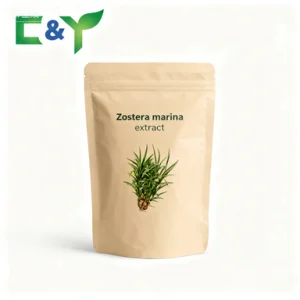
- Premium Cosmetics & Spa Manufacturing: High-end spas in Thonglor, Sukhumvit, and global cosmetic OEMs located in Bangkok’s peripheral zones are actively replacing synthetic silicones and petrochemical humectants with Zostera marina and kelp-derived sulfated polysaccharides.
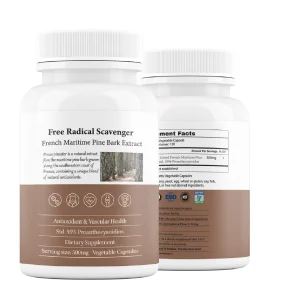
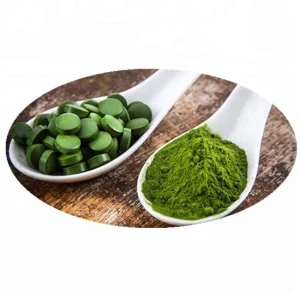
- Halal-Certified Functional Foods: Serving a major gateway to the Islamic markets in Southeast Asia, Bangkok’s nutraceutical plants require verified Halal-certified maritime pine bark extracts and microalgae powder for softgel formulations.
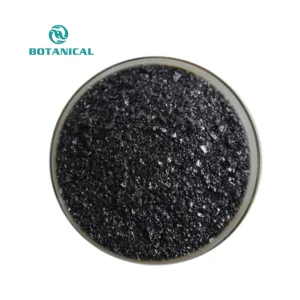
- Aquaculture and Agricultural Catalysts: Central Plains shrimp farming and regional high-value crop cultivation rely on organic seaweed granular fertilizers to bolster stress tolerance and disease resistance.