Rubrum Biologics

1 / 5
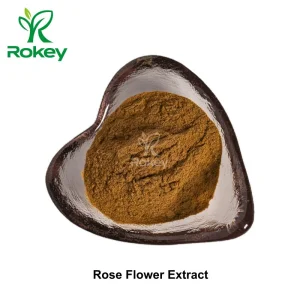
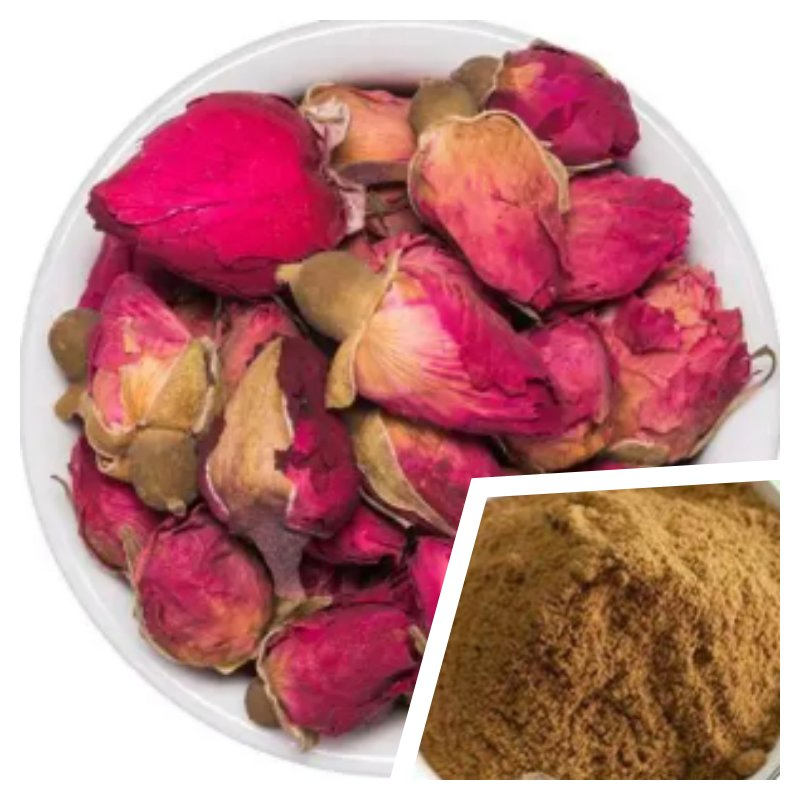
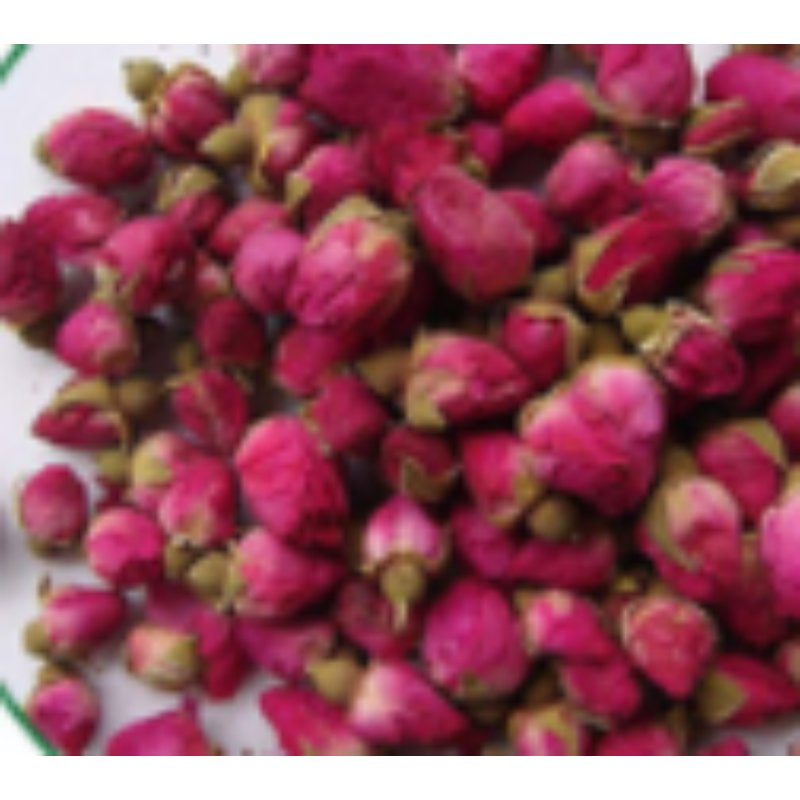
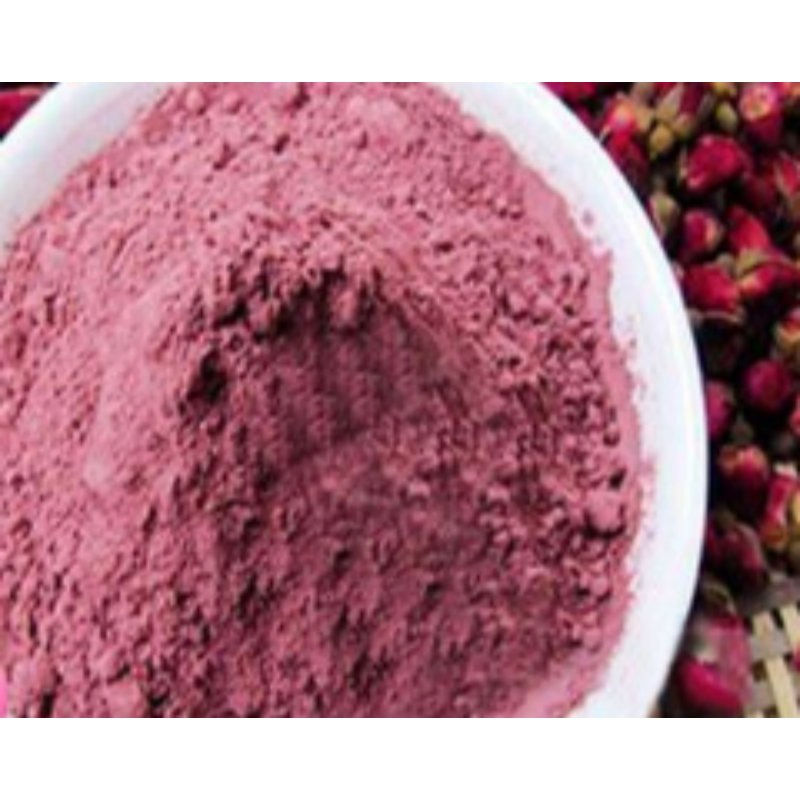
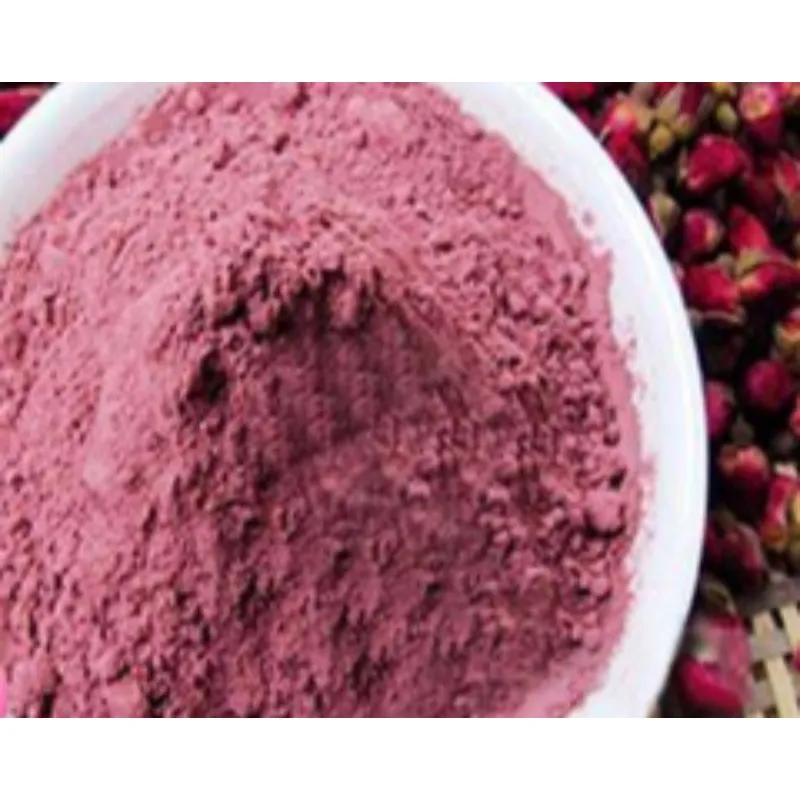
Rose extract consists of active ingredients derived from rose petals; it possesses a wide range of benefits—including antioxidant properties, skin soothing, mood enhancement, and endocrine regulation—and is widely utilized in the fields of skincare, health supplements, and aromatherapy. Its mechanisms of action are closely linked to its specific chemical constituents, primarily phenols, flavonoids, and volatile oils.
Rose extract is rich in polyphenols (such as ellagic acid and gallic acid) and flavonoid compounds, which effectively neutralize free radicals and mitigate skin damage caused by oxidative stress. Studies indicate that its antioxidant activity inhibits collagen degradation, thereby delaying skin sagging and the formation of wrinkles; consequently, it is a common ingredient in anti-aging skincare products.
Rose volatile oils (the primary constituents of rose essential oil) act upon the limbic system of the brain via olfactory stimulation, promoting the secretion of serotonin and endorphins to alleviate feelings of anxiety and depression. Clinical studies have demonstrated that inhaling the scent of roses can lower cortisol levels and contribute to improved sleep quality.
Traditional medicine posits that rose extract possesses properties that promote blood circulation, disperse blood stasis, and soothe liver qi stagnation. Modern research corroborates that it may help alleviate symptoms associated with Premenstrual Syndrome (such as breast tenderness and mood swings) as well as menopausal discomfort, potentially by regulating estrogen levels; however, the precise mechanisms require further verification.