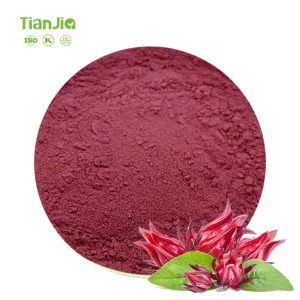
Explore standard-setting bioactive extracts, medicinal raw materials, and processing systems engineered for advanced cosmetic, supplement, and nutritional applications.
The global medicinal plants and botanical extract market is experiencing a profound transition from traditional agrarian cultivation to high-technology phytochemical farming. Propelled by structural changes in consumer healthcare expectations and the rapid integration of botanical APIs into mainstream pharmaceuticals, cosmetics, and functional foods, the industrial supply chain has achieved unprecedented sophistication.
Historically, botanical processing was localized and subject to seasonal variations in raw bioactive yield. Today, global supply chains rely on advanced agronomics, chromatographic standardization, and computerized molecular fractionation. Geographically, manufacturing capability is clustered near highly bio-diverse regions (such as China, India, and Southeast Asia) or within technology-driven pharmaceutical hubs (such as Germany, the United States, and Japan). For B2B procurement leaders, establishing partnerships with certified manufacturers who can assure consistent yields of standard bioactive metabolites (e.g., Mogroside V, Chlorogenic Acid, Anthocyanins, and Lutein) has become critical to minimizing downstream production disruptions.
Three main forces are currently driving structural innovation within the medicinal plant supply chain:
The translation of raw botanical matrices into therapeutic-grade standardized extracts requires careful control of thermal, chemical, and physical parameters.
An evaluation of B2B production capacity, certifications, innovation portfolios, and market footprints across the global supply chain.
Specializes in advanced high-purity phytochemical powders, standardized sweeteners (Monk Fruit extracts), and tailor-made functional compounds with global distribution networks.
A world-leading supplier of botanical ingredients for tea, beverage, phytopharmaceutical, and animal nutrition sectors, operating under strict GACP standards.
Pioneered standard plant-extract pharmaceutical APIs. Renowned for its clinical validation systems and proprietary drug-delivery technologies.
Recognized for patented, standardized herbal extracts (such as Curcuminoids and Black Pepper bio-enhancers) supported by heavy scientific literature and clinical trials.
Possesses a vast global procurement network focusing on natural food colorings, antioxidants, and functional health ingredients for food manufacturers.
Major European producer of standardized herbal extracts for dietary supplements, pharmaceuticals, and cosmetics, using clean, eco-friendly solvent extraction processes.
A key global player in natural ingredients and plant extracts for the food, nutrition, and dietary supplement industries, with a focus on acacia gum and prebiotic fibers.
High-capacity producer of carotenoids, vitamins, and specialized plant extracts with massive infrastructure built to supply bulk global food and pharma businesses.
Innovator in natural extracts, relying on proprietary formulation strategies to maximize bioavailability and stability of organic compounds.
A major US manufacturer of high-quality botanical extracts for personal care, cosmetic, food, beverage, and supplement applications, using proprietary cold-extraction technologies.
Shenzhen Rubrum Biologics Co., Ltd. is a leading China herbal extract manufacturer specializing in the research, development, production, and supply of high-quality natural plant extract ingredients for the food, supplement, and cosmetic industries. With a strong focus on innovation, quality assurance, and sustainable sourcing, the company serves customers worldwide with reliable botanical ingredient solutions.
Leveraging advanced extraction technologies and modern manufacturing facilities, Shenzhen Rubrum Biologics offers a comprehensive portfolio of herbal extracts, botanical powders, natural active ingredients, and customized plant-based formulations. Its products are widely used in dietary supplements, functional foods, beverages, nutraceuticals, personal care products, cosmetics, and wellness applications.
The company is committed to maintaining the highest standards throughout the entire production process, from raw material selection to final product delivery. By implementing rigorous quality control procedures and advanced analytical testing methods, Shenzhen Rubrum Biologics ensures product consistency, purity, and safety in accordance with international quality requirements.
Driven by a dedicated research and development team, the company continuously explores innovative extraction technologies and new botanical applications to meet the evolving needs of global markets. Customized solutions are available to help customers optimize product performance, enhance formulation efficiency, and accelerate product development.
With a customer-oriented philosophy, competitive manufacturing capabilities, and a stable global supply network, Shenzhen Rubrum Biologics Co., Ltd. has established long-term partnerships with manufacturers, distributors, and brand owners across numerous countries. The company remains committed to delivering premium natural plant extract ingredients that support healthier lifestyles and sustainable industry development worldwide.
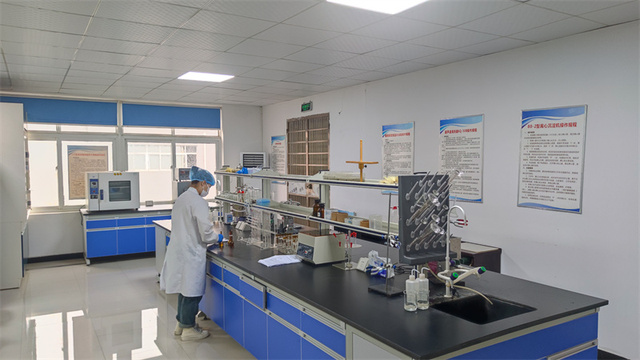
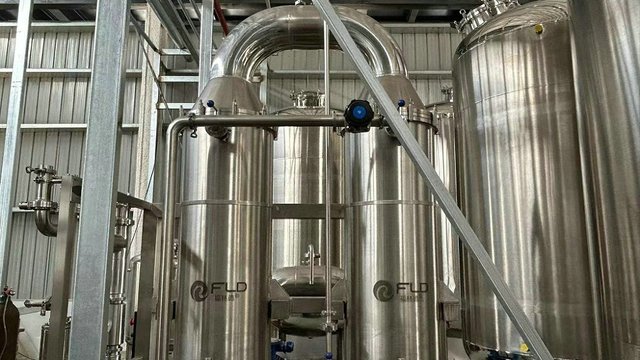
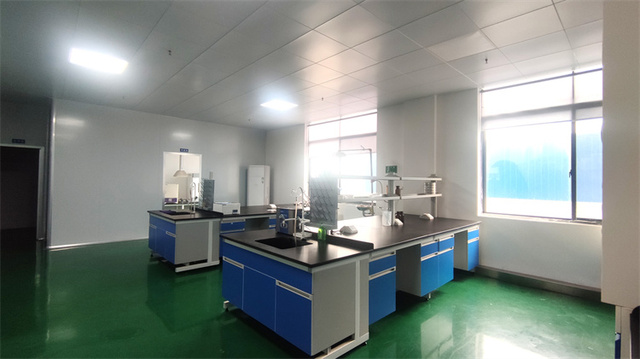
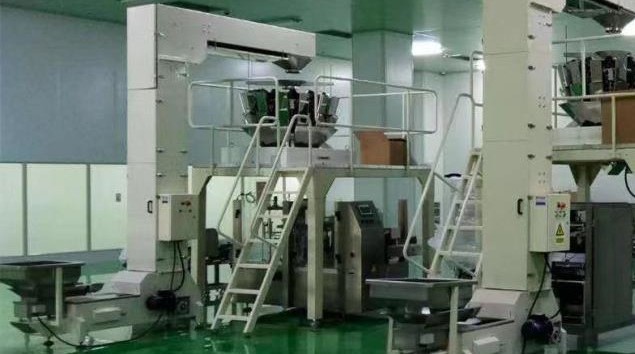
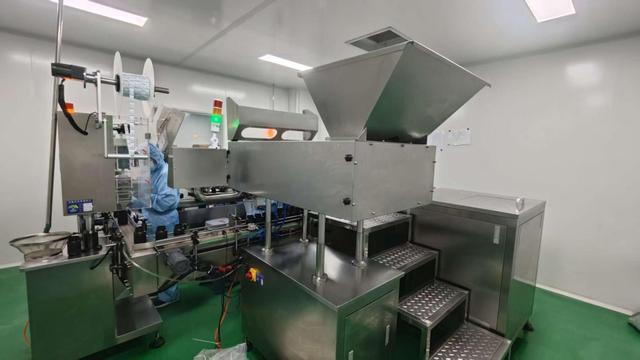
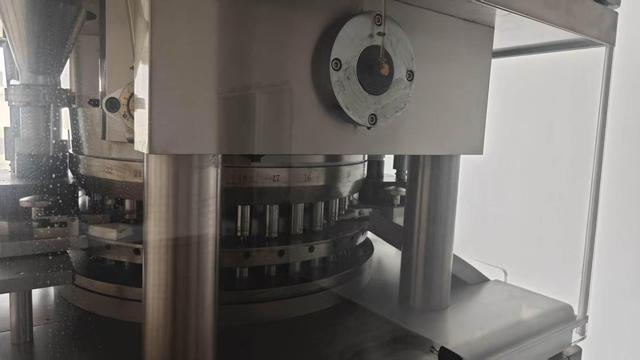
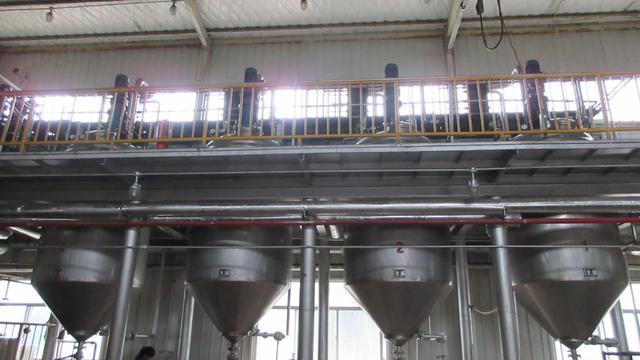
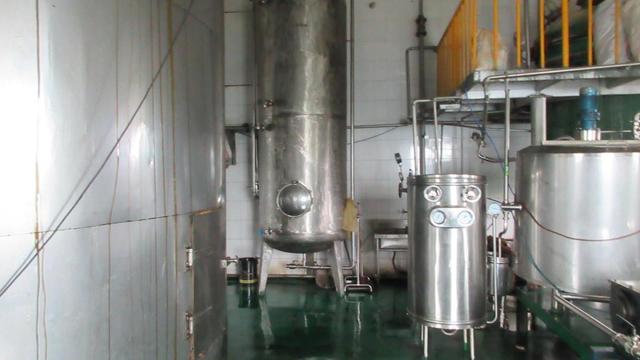
Medicinal plant extracts require specific processing configurations to succeed in diverse geographic markets and application areas:
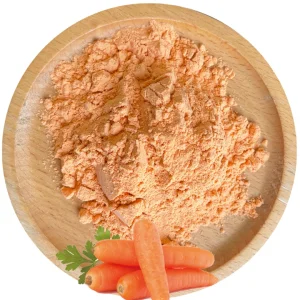
Demands extreme decolorization and deodorization to prevent formula discoloration. Focuses on antioxidant polyphenols, carrot-based carotenoids, and seaweed-based algae extracts. Formulas must strictly adhere to regulatory directives on heavy metals and allergen safety.
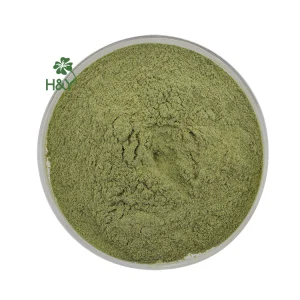
Focuses on high-concentration active markers (e.g., 1-Deoxynojirimycin in Mulberry Leaf or Yarsagumba extracts). Products require verifiable particle size optimization (such as mesh sizes 80–120) to ensure high dissolution rates in capsules and tablets.
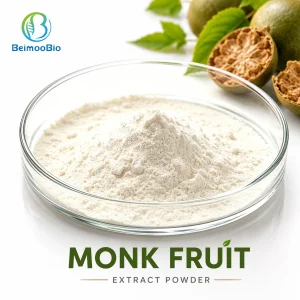
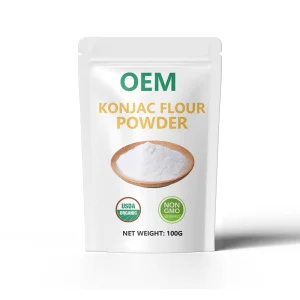
Utilizes high-potency, zero-calorie plant sweeteners like Monk Fruit extract (Mogroside V) and soluble root fibers (Konjac). These ingredients must have clean flavor profiles and remain stable at high processing temperatures.
B2B procurement teams face three primary technical challenges when sourcing plant-based ingredients: raw botanical variations, heavy metal concentration, and active compound degradation. Top-tier manufacturers resolve these issues through clean solvent systems, standardized processing methods, and third-party laboratory verification. Integrating advanced technology into agricultural practices reduces batch differences, helping companies maintain product consistency across different seasons.
Critical answers to technical and regulatory questions for enterprise procurement professionals.
An extraction ratio (10:1) simply indicates that 10 kilograms of raw starting material yielded 1 kilogram of extract, without defining the concentration of active molecules. Standardized active content guarantees a specific, measurable percentage of a bio-active compound (such as 50% Mogroside V) via HPLC analysis, ensuring consistent potency across different production batches.
Regulatory agencies like the FDA and EMA set strict limits on residual solvents based on safety profiles. Class 1 solvents (like benzene) are banned, while Class 2 solvents (like methanol) face low limit thresholds. High-quality manufacturers use Class 3 solvents (such as ethanol) or solvent-free processes like Supercritical CO2 extraction to comply with clean-label requirements.
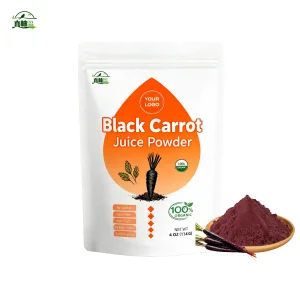
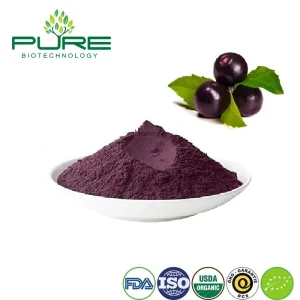
Anthocyanins, found in ingredients like purple carrot and acai, are highly sensitive to heat, light, and high pH levels. To prevent degradation, manufacturers must use low-temperature vacuum spray drying or freeze drying, store the finished products in light-protective packaging, and maintain pH levels below 3.5 in liquid formulations.
Top-tier manufacturers prevent adulteration by combining microscopic examination, HPTLC (High-Performance Thin-Layer Chromatography) chemical profiling, and DNA barcoding. These methods verify that the correct plant species and parts are used, excluding non-active filler materials or related look-alike species.
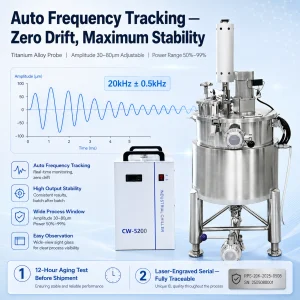
Ultrasonic homogenization uses high-frequency sound waves to create cavitation bubbles that break open plant cell walls. This allows solvents to quickly penetrate the plant material, speeding up extraction, reducing thermal exposure, and improving the recovery of delicate compounds like essential oils and mushroom polysaccharides.
Manufacturers ensure compliance by sourcing raw materials from fields with low heavy metal levels, monitoring soil quality, and using ion-exchange columns or targeted precipitation to filter out heavy metals during processing. This keeps arsenic, cadmium, lead, and mercury levels well below strict regional limits.
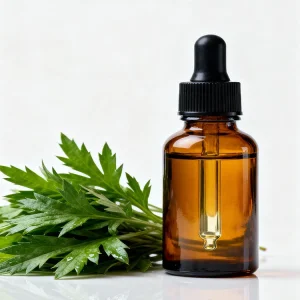
Discover a specialized selection of natural powders, herbal concentrates, and plant-based ingredients formulated for health products and functional food applications.

 Rubrum Biologics