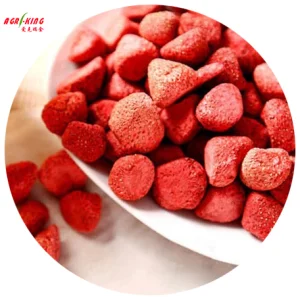
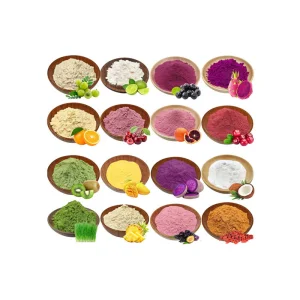
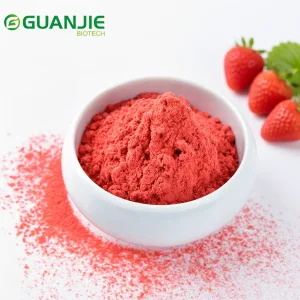
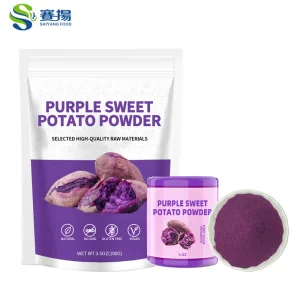
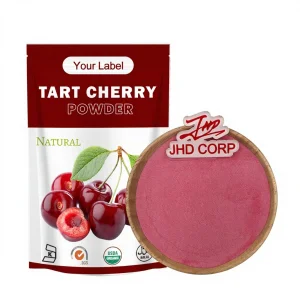
Advanced water-soluble and clean-label freeze-dried fruit powders engineered for commercial beverage, culinary, and dietary supplement formulations in Togo.
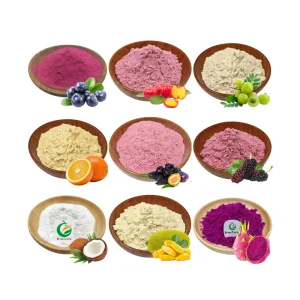
As West Africa undergoes rapid urbanization and economic structural adjustment, the Republic of Togo is positioning itself as a vital logistical and industrial gateway for the West African Economic and Monetary Union (UEMOA). With the expansion of the Autonomous Port of Lomé and the development of the Adétikopé Industrial Platform (PIA), Togo is transitioning from exporting primary agricultural commodities to domestic processing of high-value consumer packaged goods (FMCG).
Within this macro-economic shift, the demand for high-quality, standardized, and clean-label fruit extracts has spiked. Domestic food processing operations, commercial beverage bottlers, cosmetic manufacturers specializing in fortified local shea-butter complexes, and traditional-modern pharmaceutical manufacturers are seeking reliable global suppliers who can offer raw materials that comply with strict international regulatory protocols (ISO, GMP, Halal, Kosher) while maintaining stable local distribution channels.
In Togo, the application of natural botanical matrices instead of synthetic dyes and artificial flavors is driven by consumer wellness trends and regulatory policies aiming to elevate product quality for domestic markets and export markets throughout the ECOWAS zone. Establishing relationships with advanced suppliers who guarantee phytochemical batch consistency is paramount to these industrial initiatives.
Developing robust supply chain matrices between global processing centers and West African manufacturing hubs involves evaluating critical performance metrics:
Analyzing the technological advantage of modern botanical extraction plants in securing West African supply chains against supply shortages and quality fluctuations.
Every single batch of plant and fruit extract processed by Shenzhen Rubrum Biologics undergoes rigorous High-Performance Liquid Chromatography (HPLC) and Gas Chromatography-Mass Spectrometry (GC-MS) verification. This ensures that standardized products maintain exact ratios of active polyphenols, flavonoids, and ascorbic acids, satisfying strict regulatory frameworks in Europe, the Americas, and Africa.
Operating out of class-100,000 cleanrooms, our extraction protocols prevent heavy metal contamination, pesticide carry-overs, and microbial pathogens. This makes our fruit and plant powders ideal for infant formulations, functional dairy products, and high-end cosmetic bases imported into the West African region.
By using low-temperature vacuum freeze-drying (Lyophilization) and advanced spray-drying systems with high-pressure nozzles, we preserve the organic structure of heat-sensitive compounds. Natural flavors, pigments (like anthocyanins), and dietary enzymes remain biologically active even after processing.
The global logistics landscape requires robust planning. Shenzhen Rubrum Biologics Co., Ltd. coordinates its supply chains directly with primary shipping lines departing from major South China ports (Shenzhen, Guangzhou) heading to the Port of Lomé (Togo). Our export-grade packaging features double-layered food-grade PE liners inside durable cardboard drums, reinforced with moisture-absorbent desiccant packs. This setup resists humidity fluctuations during sea transit through equatorial waters, ensuring that the botanical materials arrive in optimal condition.
Bridging global phytochemical technology with regional West African market applications, from local functional beverages to dermal skincare formulations.
The regional beverage industry in Lomé, Kara, and neighboring Accra or Cotonou is shifting away from synthetic coloring systems. Natural pigments derived from red fruits, berries, and specialized botanicals are being incorporated into local carbonated soft drinks, dairy drinks, and energy tonics. Our water-soluble powders dissolve quickly without grit or sedimentation, providing clean-label compliance for regional distribution.
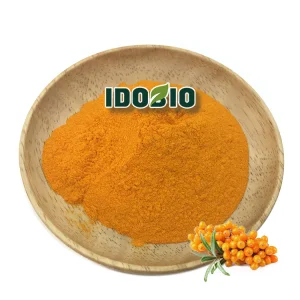
Togo is a major producer of high-grade raw Shea Butter. Global and local cosmetic brands are upgrading raw shea butter by infusing it with oil-soluble and micro-encapsulated fruit extracts like Sea Buckthorn or Soursop. These botanical blends enrich the skin barrier with vitamins A, C, and E, protecting against UV-induced oxidative stress in tropical climates.
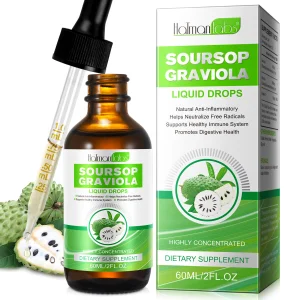
Liquid drops, natural capsules, and health teas containing Soursop leaf extract, Mangosteen extracts, and multi-berry compounds are highly sought after by local manufacturers. These active ingredients support formulations targeting cellular health, systemic anti-inflammatory responses, and glycemic control.
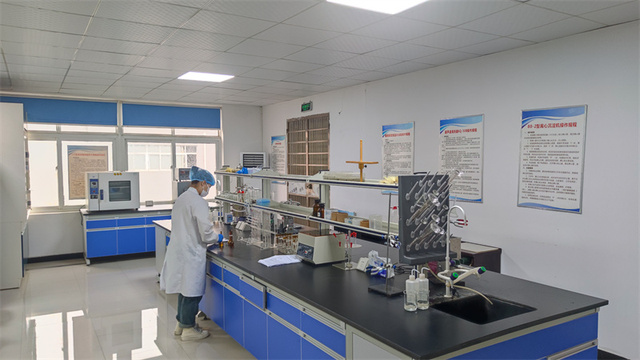
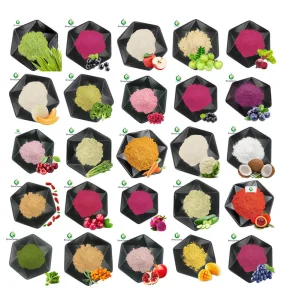
A comprehensive inventory of specialized fruit extracts, herbal capsules, and active botanical ingredients available for container-load and LCL shipments to West African destinations.
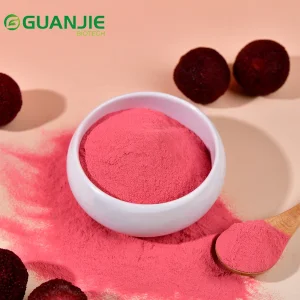
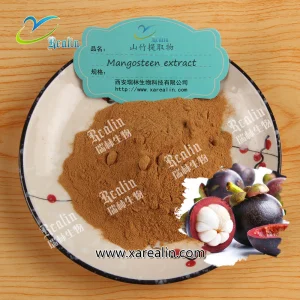
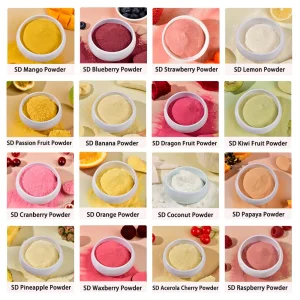
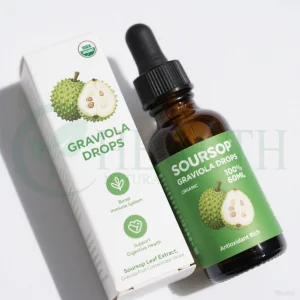
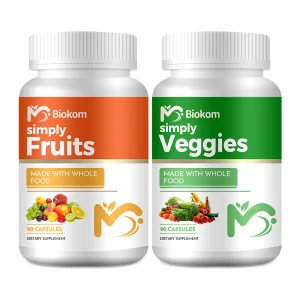
These natural concentrates preserve structural cellular integrity, providing authentic taste and intense natural colors for food formulations in Togo.
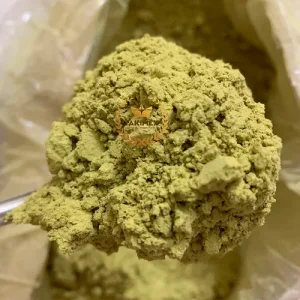
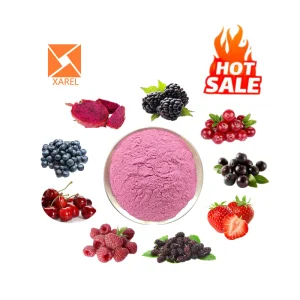
Shenzhen Rubrum Biologics Co., Ltd. is an established Chinese herbal and plant extract manufacturer specializing in the research, development, production, and supply of high-grade natural plant extracts. By offering clean-label ingredients, we support the food, dietary supplement, nutraceutical, and cosmetic industries worldwide.
Our manufacturing facilities run modern automated extraction lines, continuous countercurrent extraction loops, and cleanrooms designed to control quality from raw material selection to final delivery. Our scientific R&D team continuously refines production parameters to deliver custom formulations, powder blends, and liquid drops tailored to specific industrial projects.
With customer satisfaction in mind, we maintain a stable global supply network. We work closely with our partners across West Africa, especially in Togo, by shipping to the Port of Lomé and coordinating inland logistics. Our technical support team assists buyers with import documentation, COA validation, phytosanitary paperwork, and custom clearance procedures.
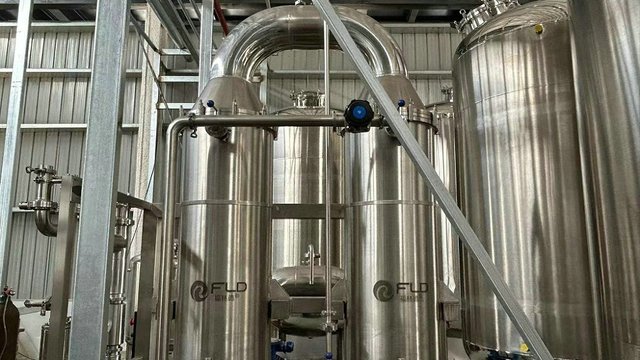
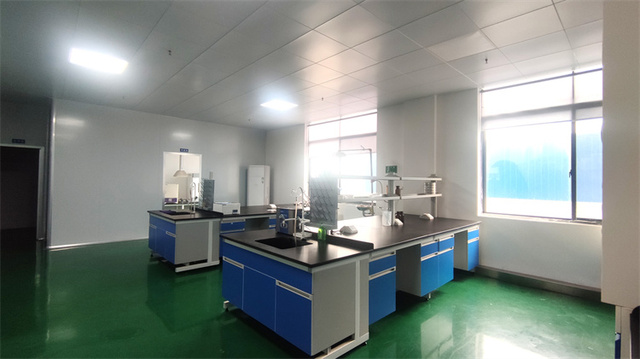
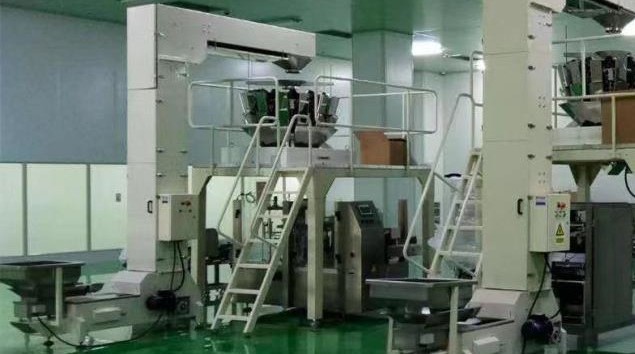
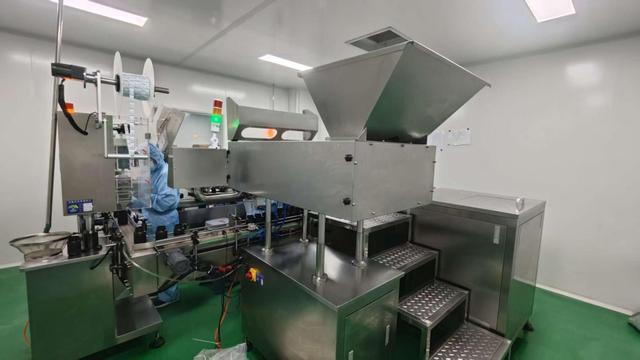
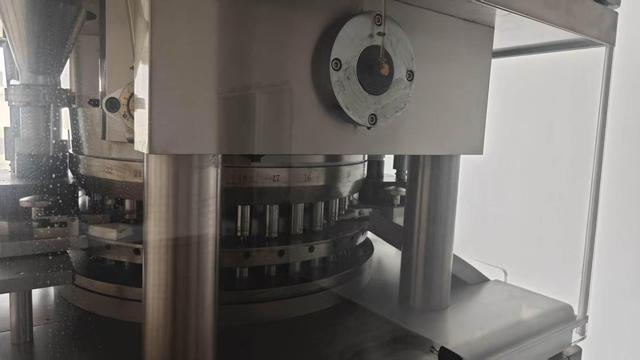
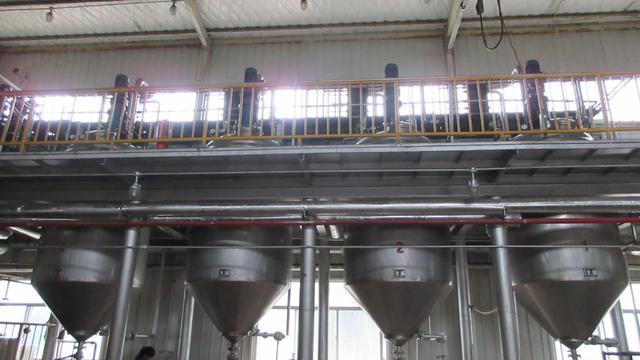
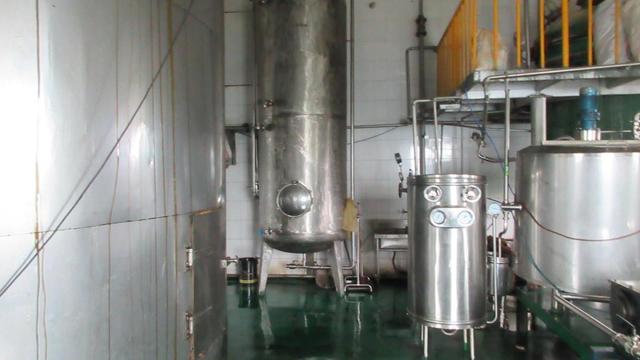
Ensuring compliance with international dietary regulations and West African customs requirements through scientific testing.
We use Inductively Coupled Plasma Mass Spectrometry (ICP-MS) to screen raw extracts, keeping Lead (Pb), Arsenic (As), Cadmium (Cd), and Mercury (Hg) levels well below strict European and American safety limits.
Our advanced heat sterilization and aseptic packaging lines eliminate micro-flora, mold, yeast, and pathogens (such as Salmonella and E. coli) without degrading the bio-active molecules.
We work with growers who practice sustainable farming, ensuring that our starting agricultural materials are free from harmful synthetic residues and eco-destructive crop practices.
Detailed technical, regulatory, and logistics answers for procurement directors, food scientists, and operations managers in Togo and West Africa.
Partner with Shenzhen Rubrum Biologics for batch-to-batch consistency, advanced active-constituent testing, and reliable logistics to Togo. Reach out to our technical sales team for free samples and customized pricing.
 Rubrum Biologics