Rubrum Biologics

1 / 5
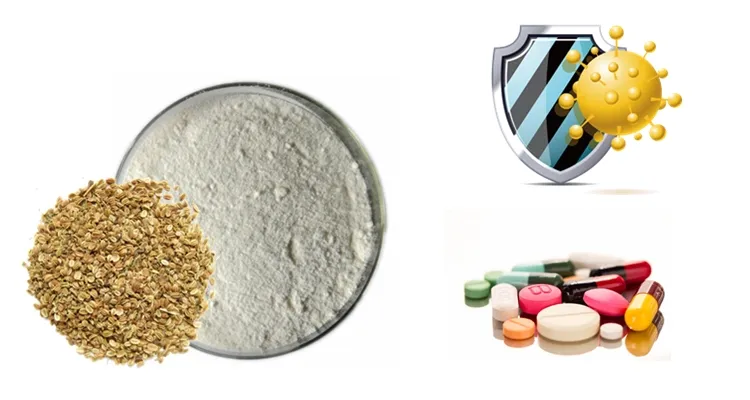

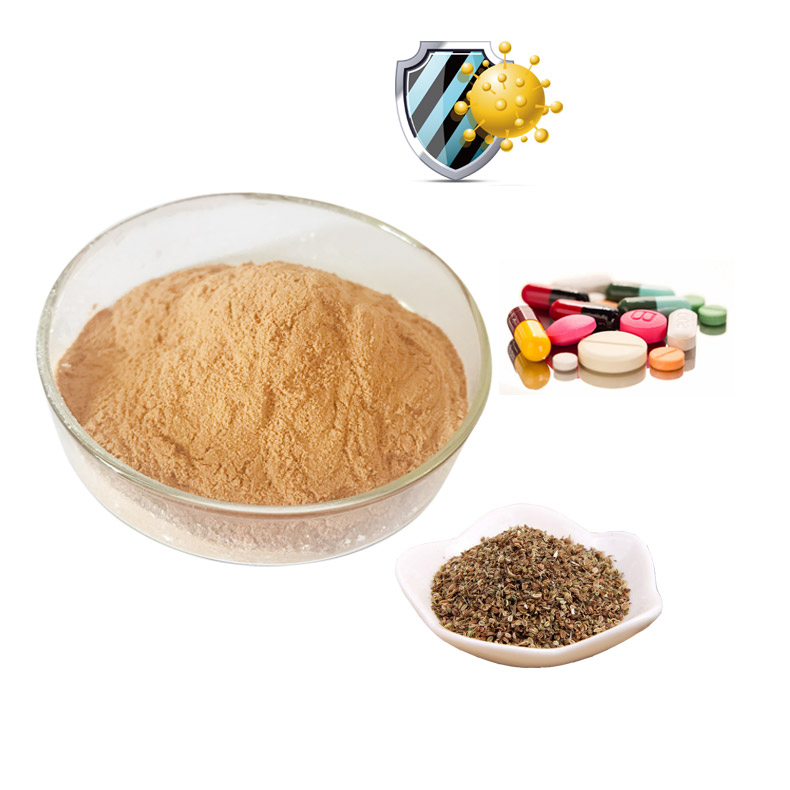
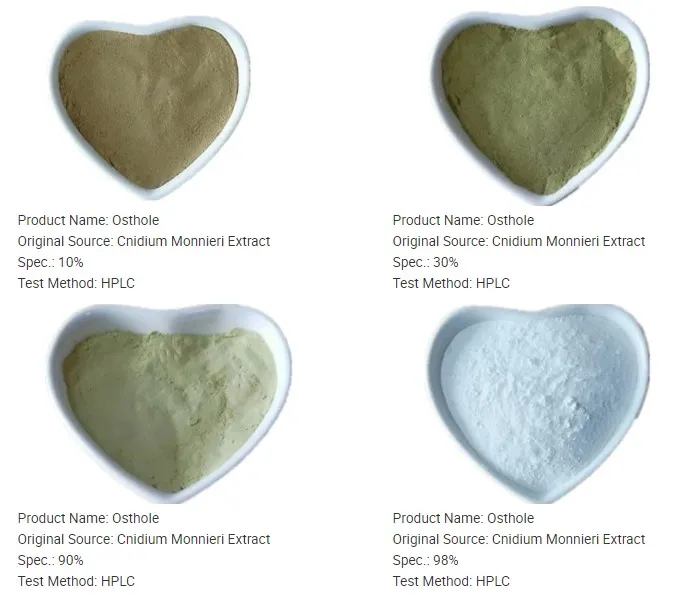
| Product Name | Cnidium monnieri Extract Osthole |
|---|---|
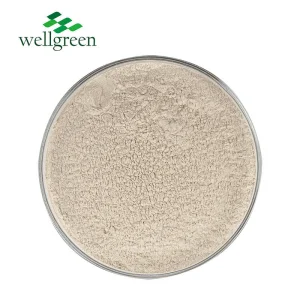
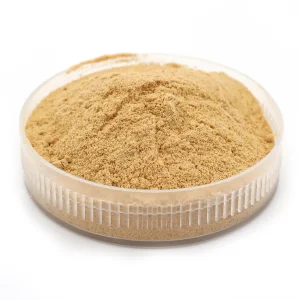
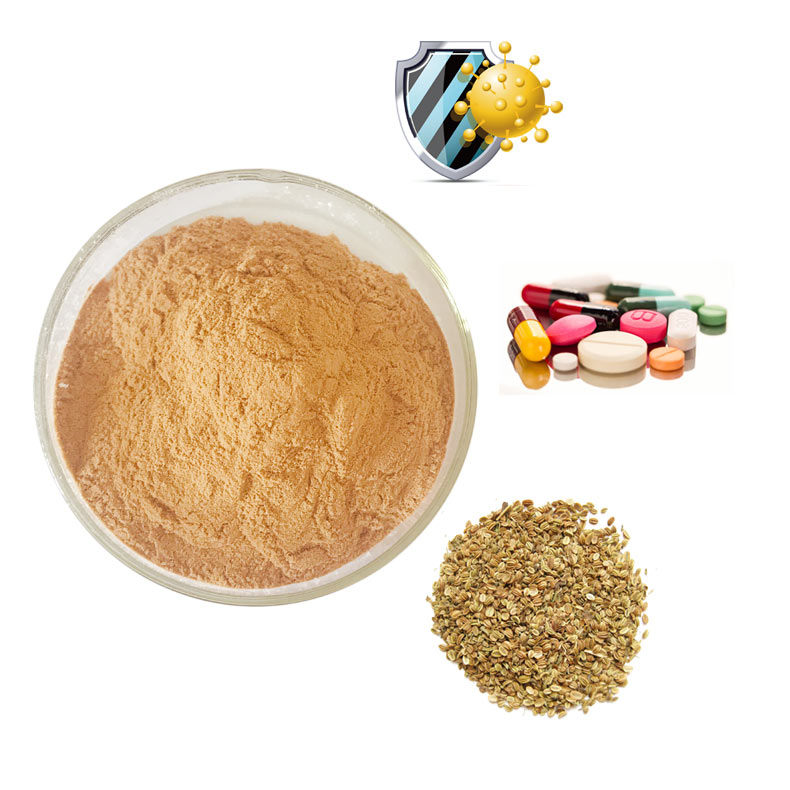
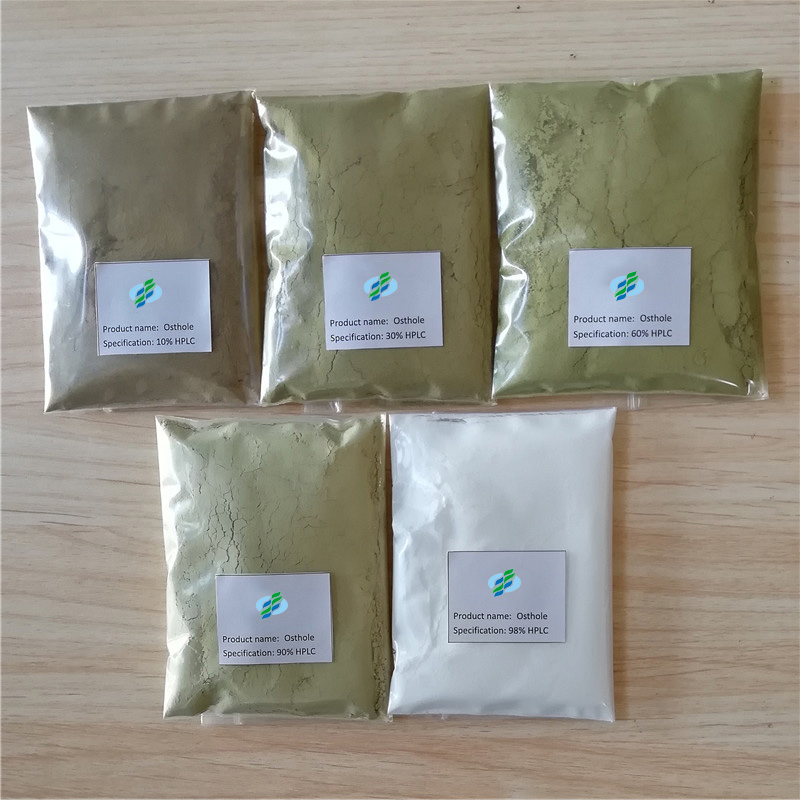
| Exterior | White, light yellow, brownish yellow powder |
| Active Ingredient | Osthole 10%, 30%, 50%, 90%, 98% |
| Test Method | HPLC |
| Extraction Solvent | Ethanol |
| CAS NO | 482-12-8 |
| Molecular Formula | C15H16O3 |
| Molecular Weight | 244.29 |
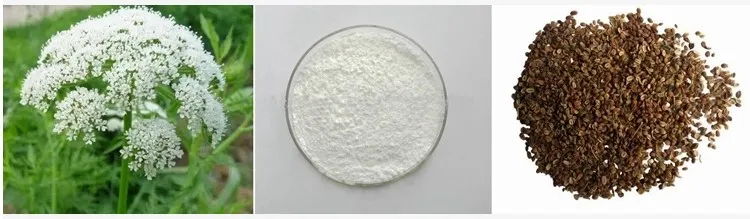
Osthol, also known as methoxyparsley, parsley methyl ether, is a coumarin compound. The content of osthol in the umbelliferous plant cnidium is high, hence the name osthol. In 1909, Herzog and Krohn first obtained the compound osthol from the roots of the umbelliferous plant europhus. At present, it is widely found in plants, mainly in Umbelliferae and Rutaceae, and also in a few Compositae and Leguminosae. Commercial cnidium extract is mainly sourced from the dried and ripe fruits of Cnidium monnieri. Cnidium is mainly distributed in Guangxi, Jiangsu, Anhui, Shandong, Hebei, etc. Due to its various biological activities, cnidium is widely used in cosmetics, medicine, and agriculture.

Water extract and total coumarin from Fructus Cnidii show obvious preventive effects on chloroform-induced ventricular fibrillation in mice and calcium chloride-induced ventricular fibrillation in rats. They improve the ventricular electrofibrillation threshold in rabbits and inhibit the flow of sodium ions in myocardial cell membranes.
Osthol has a dose-dependent negative inotropic effect on the left atrium of isolated guinea pigs. It shifts the aorta contraction dose-response curve of rabbits to the right and relaxes vascular smooth muscle, showing clean antihypertensive activity.
Cnidium monnieri total coumarin relaxes bronchial spasms caused by drugs (such as histamine and acetylcholine) and directly dilates the bronchus. It demonstrates a strong expectorant action by increasing the excretion of phenol red in vivo.
Total coumarins and phenolic compounds in cnidium inhibit ear shell swelling caused by xylene and abdominal capillary permeability caused by acetic acid. Osthol significantly inhibits foot swelling in rats by reducing PGE content in inflammatory tissues.
The total coumarins show inhibitory effects on the central nervous system. Osthol enhances the hypnotic effect of pentobarbital sodium in a dose-dependent manner. It also improves learning, memory acquisition, and spatial discrimination.
Cnidium, parsley b, bergamot lactone, and other constituents show high activity in inhibiting the mutagenesis of aflatoxin B1. Water extract of cnidium can inhibit S130 sarcoma, prolong survival times, and inhibit tumor growth.
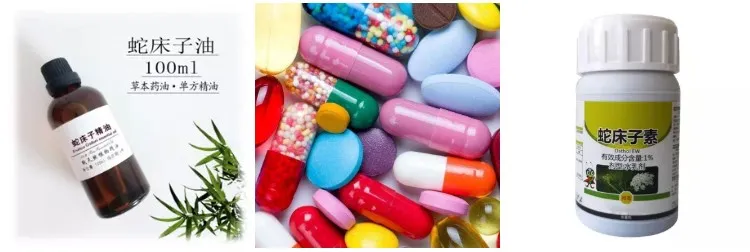
Inhibits various inflammatory factors and offers therapeutic benefits for facial acne. It works effectively for allergic skin conditions, such as eczema and urticaria, making it suitable for anti-allergic cosmetic formulations.
Possesses antispasmodic, antihypertensive, antiarrhythmic, immune-regulating, and broad-spectrum antibacterial effects. Due to its strong pharmacological activity, it serves as an effective ingredient in the pharmaceutical industry.
Functions as a modern biological pesticide to control agricultural pests and plant pathogens. It is a highly effective, natural botanical insecticide.
| Items | Standards | Results |
|---|---|---|
| Physical Analysis | ||
| Description | White Powder | Complies |
| Assay | 98% | 98.2% |
| Mesh Size | 100% pass 80 mesh | Complies |
| Ash | ≤ 5.0% | 2.85% |
| Loss on Drying | ≤ 5.0% | 2.85% |
| Chemical Analysis | ||
| Heavy Metal | ≤ 10.0 mg/kg | Complies |
| Pb | ≤ 2.0 mg/kg | Complies |
| As | ≤ 1.0 mg/kg | Complies |
| Hg | ≤ 0.1 mg/kg | Complies |
| Microbiological Analysis | ||
| Residue of Pesticide | Negative | Negative |
| Total Plate Count | ≤ 1000cfu/g | Complies |
| Yeast & Mold | ≤ 100cfu/g | Complies |
| E.coli | Negative | Negative |
| Salmonella | Negative | Negative |