Rubrum Biologics




1 / 5
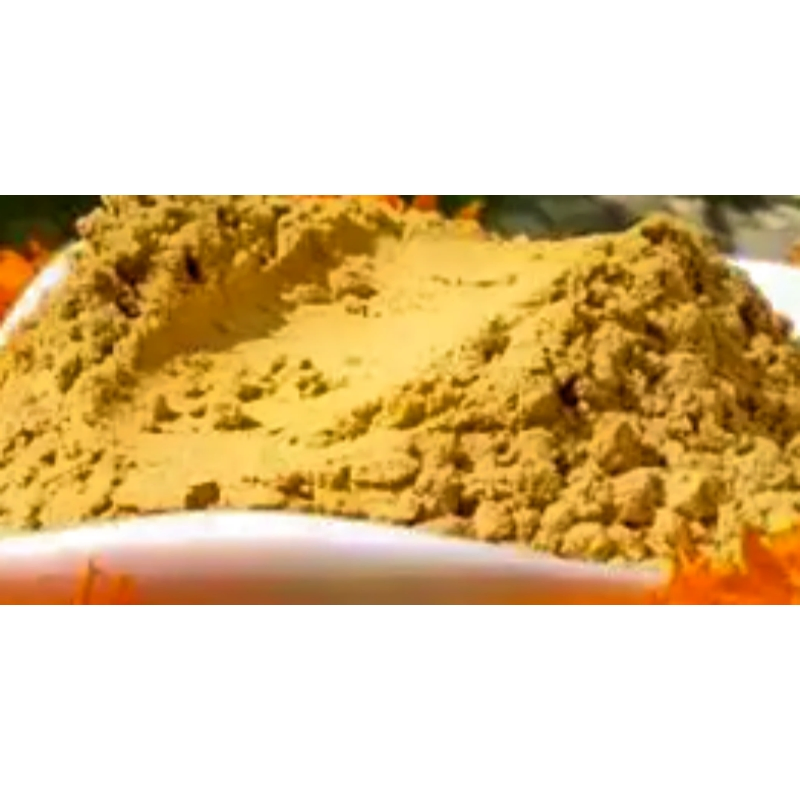
Calendula (Calendula officinalis) is a traditional medicinal plant; its flowers are rich in active compounds and possess anti-inflammatory and antibacterial properties, promote wound healing, and soothe skin ailments. It is frequently utilized in skincare products and herbal preparations. Users should be mindful of potential allergic reactions, and pregnant women are advised to exercise caution.

Calendula contains constituents such as flavonoids, saponins, and polysaccharides, which can inhibit the release of inflammatory factors and alleviate symptoms such as skin redness, swelling, and itching. Studies indicate that its extracts possess inhibitory effects against common pathogenic bacteria—including Staphylococcus aureus and Candida albicans—making it suitable for use as an adjunctive treatment for mild skin infections or oral inflammation.
The carotenoids and antioxidant components found in Calendula can accelerate the repair of damaged tissues. Clinical trials have demonstrated that Calendula-based ointments or gels can shorten the healing time for abrasions, burns, or post-surgical wounds, while simultaneously minimizing scar formation. This characteristic makes it an ideal choice for natural wound care.
Relief for Sensitive Skin: Calendula extract can soothe red, dry, or eczema-prone skin and is frequently incorporated into gentle skincare products such as toners and face masks.
Moisturizing and Anti-Aging: Its polysaccharide components enhance the skin's ability to retain moisture; when combined with antioxidants (such as Vitamin C derivatives), they help delay photoaging.
Scalp Care: The addition of Calendula to shampoo formulations can help alleviate dandruff or seborrheic dermatitis.
Digestive System Support: In traditional medicine, Calendula tea is used to alleviate gastritis or gastric ulcers; this effect may be linked to its anti-inflammatory properties, though further research is required to substantiate these claims.
Immune Modulation: Animal studies suggest that the polysaccharide components of Calendula may enhance immune function; however, its efficacy in human applications remains to be clearly established.