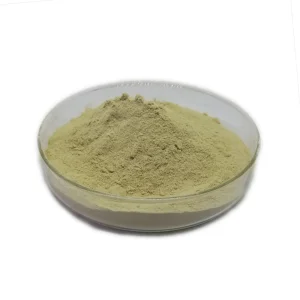
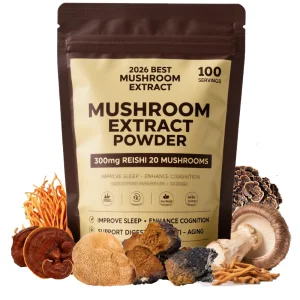
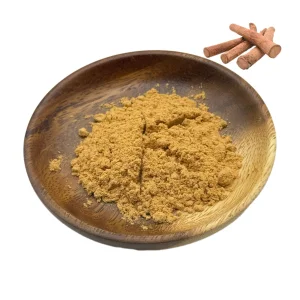
Part I: High-purity food-grade and functional plant extracts optimized for global beverage, nutraceutical, and clinical formulations.
An authoritative analysis of industrial processing, supply chains, and market dynamics for procurement directors and product formulators.
As global consumer preferences shift toward "clean-label" products, food and beverage corporations are replacing synthetic additives with standardized plant extracts. We provide turn-key formulation matrices that preserve organoleptic quality, maintain thermal stability in pasteurization, and guarantee bio-efficacy.
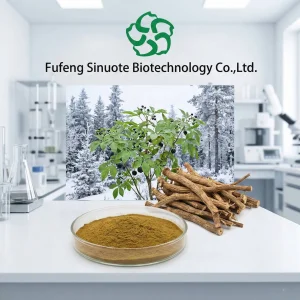
The global botanical extracts market is projected to reach $10.5 billion by 2028, expanding at a CAGR of 9.2%. Key growth factors include the demand for adaptogens (like Siberian Ginseng) and clean hydration matrices (like organic coconut water powders) across North America, Europe, and the APAC region.
Navigating multi-jurisdictional compliance is the primary barrier for international brand owners. Our processes align with FDA GRAS (Generally Recognized as Safe) notifications, EFSA European Novel Food regulations, and regional Non-GMO, Halal, Kosher, and USDA Organic standards.
Unlike simple milled plant powders, active botanical extracts require precise quantification of chemical marker compounds. In competitive markets, true product efficacy is verified through High-Performance Liquid Chromatography (HPLC) and Gas Chromatography-Mass Spectrometry (GC-MS) validation sheets rather than standard certificates of analysis.
Shenzhen Rubrum Biologics Co., Ltd. is a leading China herbal extract manufacturer specializing in the research, development, production, and supply of high-quality natural plant extract ingredients for the food, supplement, and cosmetic industries. With a strong focus on innovation, quality assurance, and sustainable sourcing, the company serves customers worldwide with reliable botanical ingredient solutions.
Leveraging advanced extraction technologies and modern manufacturing facilities, Shenzhen Rubrum Biologics offers a comprehensive portfolio of herbal extracts, botanical powders, natural active ingredients, and customized plant-based formulations. Its products are widely used in dietary supplements, functional foods, beverages, nutraceuticals, personal care products, cosmetics, and wellness applications.
The company is committed to maintaining the highest standards throughout the entire production process, from raw material selection to final product delivery. By implementing rigorous quality control procedures and advanced analytical testing methods, Shenzhen Rubrum Biologics ensures product consistency, purity, and safety in accordance with international quality requirements.
Driven by a dedicated research and development team, the company continuously explores innovative extraction technologies and new botanical applications to meet the evolving needs of global markets. Customized solutions are available to help customers optimize product performance, enhance formulation efficiency, and accelerate product development.
How raw botanical biomass is refined into highly active, soluble, and standardized dry powder fractions.
DNA barcode identification and thin-layer chromatography (TLC) to eliminate plant adulteration at the harvest stage.
Utilizing food-grade ethanol, subcritical water, or CO2 to isolate specific target molecules (e.g. Polysaccharides, OPCs).
Microfiltration and ultrafiltration steps to remove heavy molecular weight impurities and ensure complete water solubility.
Low-temperature spray drying or freeze-drying (lyophilization) to preserve thermal-sensitive bio-actives without degradation.
Matching chemical profiles with end-use product categories to optimize performance.
Requires instant water solubility, clear solution without sedimentation, and low organoleptic impact.
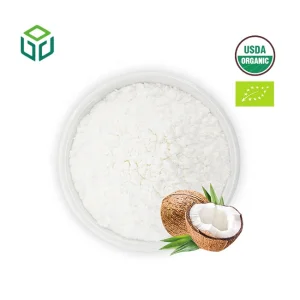
Key Ingredients: Coconut Water Powder, Yerba MateRequires high-concentration standardized assays, low heavy metal profiles, and pesticide residue compliance.
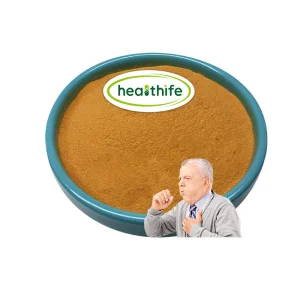
Key Ingredients: Eleuthero 1.2%, Astragalus PolysaccharidesRequires transdermal permeation, high antioxidant protection factors, and color compatibility in emulsion systems.
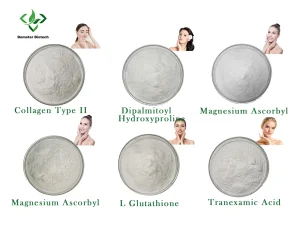
Key Ingredients: Grape Seed Extract 95% OPC, Active Whitening Raw MaterialsAnswers to critical questions regarding botanical extraction verification, compliance, and supply chain control.
Part II: Specialized herbal fractions, marine botanical powders, and high-performance agricultural source compounds.
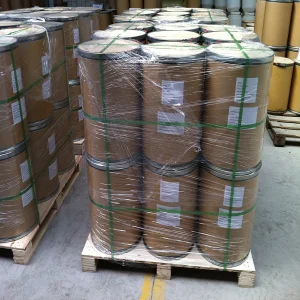
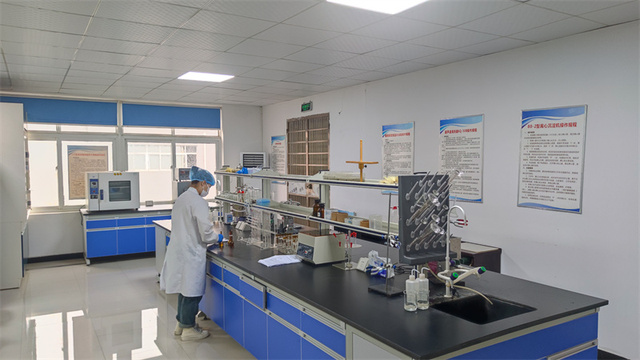
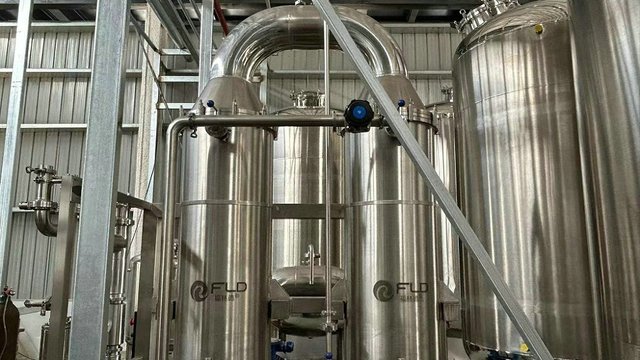
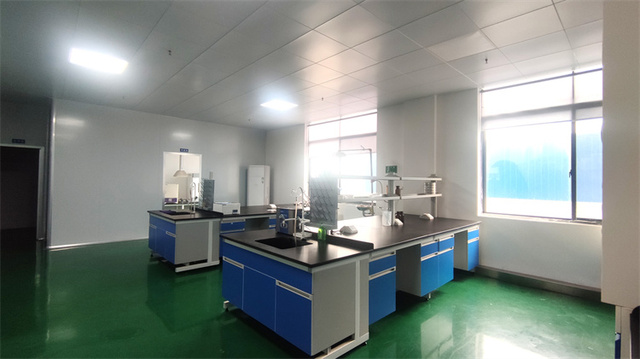
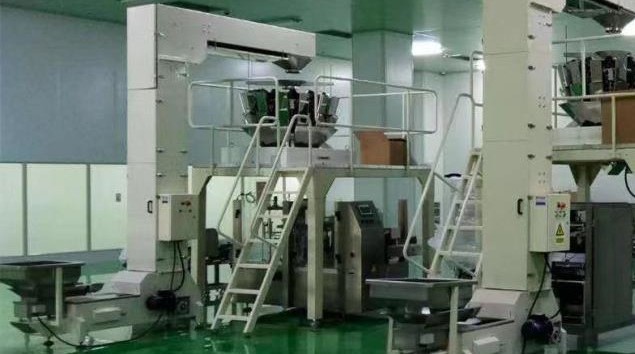
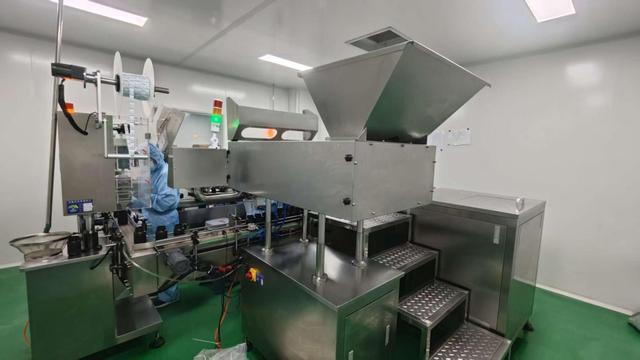
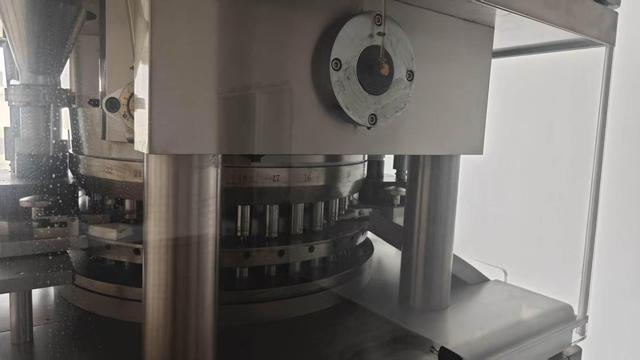
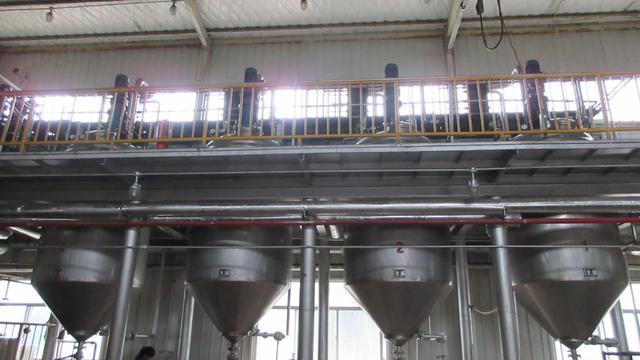
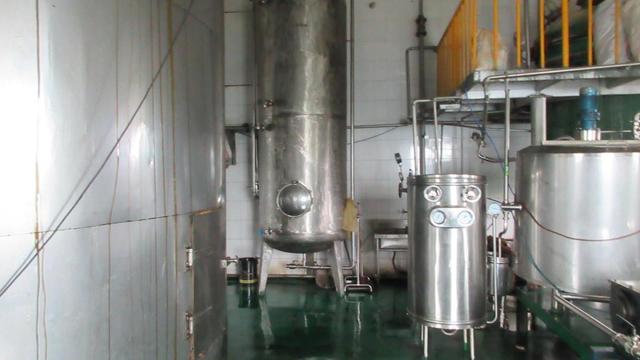
Explore our state-of-the-art processing systems, R&D labs, and large-scale manufacturing facilities.
 Rubrum Biologics