High-purity ingredients optimized for solubility, bioavailability, and strict safety standard compliance across global food, supplement, and cosmetic industries.
Exploring the macroeconomic dynamics, growth drivers, and quality expectations of modern biochemical raw materials.
The global botanical extracts market has experienced an unprecedented structural transformation over the last decade. Driven by shift in consumer preference toward clean-label ingredients, organic therapeutics, and natural preservatives, industries ranging from pharmaceuticals to functional foods are rapidly phasing out synthetic alternatives. Liquid extracts represent one of the most critical subsets of this botanical economy. Unlike their powdered counterparts, premium liquid extracts preserve a highly volatile matrix of active phytochemicals that can easily degrade under extreme thermal spray-drying processes.
In mature consumer markets like North America and Europe, the demand focuses intensely on high-efficacy, standardize markers. For instance, Adaptogens such as Ashwagandha (Withania Somnifera) and metabolic supports like Shilajit are no longer niche products; they have entered mainstream wellness ecosystems. Large-scale procurement demands consistency. Brands require batches where the active components—be they withanolides, flavonoids, fulvic acid, or polyphenols—are consistently stable. Consequently, manufacturers are forced to move away from legacy open-pot boiling methods toward closed-loop vacuum extraction systems, ultrasonic homogenization, and precise chromatography isolation.
A combination of upstream raw materials integration, highly automated infrastructure, and cost-effective logistics pipelines.
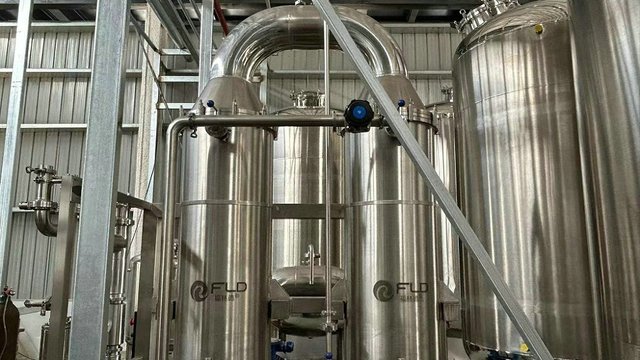
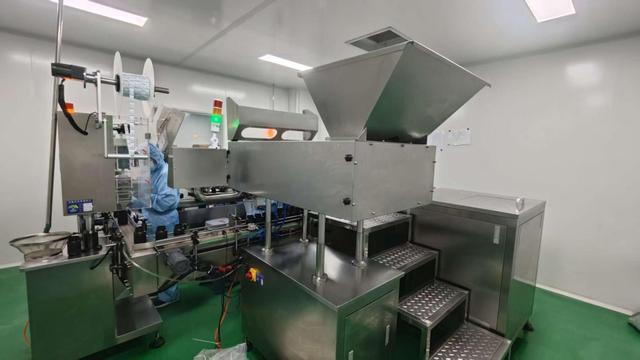
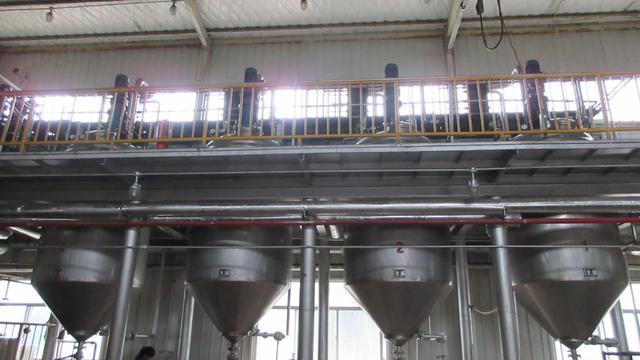
Chinese botanical extraction plants have established dominance in the global value chain. This success is not merely due to labor arbitrage, but rather the result of systemic, technology-driven scaling. Modern Chinese facilities leverage fully computerized PLC (Programmable Logic Controller) multi-stage counter-current extraction systems. These automated units optimize solvent usage and process huge volumes of raw herbs with minimal energy consumption. When compared to boutique western processing plants, Chinese operations achieve massive economies of scale, resulting in significant savings that are passed directly to international buyers.
Furthermore, China's geographic proximity to the world's most diverse herbal cultivation zones—from the mountainous provinces sourcing high-altitude roots to coastal farms growing marine botanicals—reduces raw materials transit degradation. Localized high-speed industrial ports like Shenzhen offer unparalleled logistical routes, enabling rapid shipment of bulk ingredients via cold-chain sea, air, or rail transport. For international buyers seeking custom formulations (OEM/ODM), this translates to a faster path from R&D to market shelves.
How global enterprises adapt standardized active botanical ingredients into targeted commercial formulas.
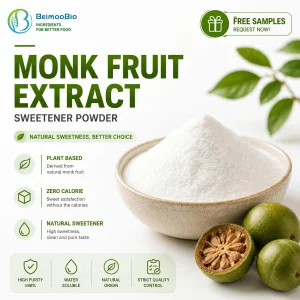
In the competitive beverage industry, stability is paramount. For example, natural colorants and antioxidants like Sodium Phytate play a dual role in food preservation and stabilization. In East Asian markets where kimchi, pickles, and fermented vegetables are major consumer staples, Sodium Phytate acts as an organic chelating agent, protecting products from oxidation and maintaining vibrant natural colors without relying on synthetic EDTA. Additionally, standardized sugar alternatives like Monk Fruit (Mogroside V) are used in sugar-conscious markets across Thailand, Vietnam, and Indonesia to re-formulate fruit juices, energy drinks, and dairy products without altering the sensory profiles.
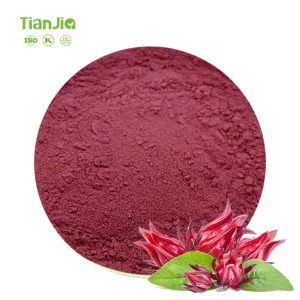
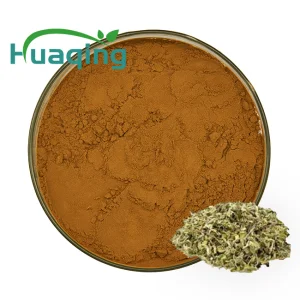
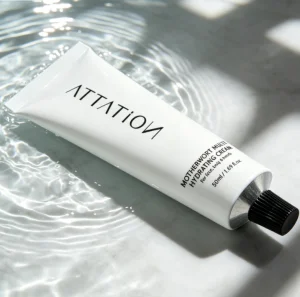
Cosmeceuticals demand clinical-grade efficacy from plant actives. Botanical extracts like Roselle Hibiscus Flower, rich in natural AHAs and anthocyanins, are integrated into chemical exfoliators and brightening serums to stimulate cell turnover. Similarly, topical anti-aging creams leverage Korean botanical methodologies by incorporating extracts like Motherwort. This plant is known for its ability to reduce inflammation, strengthen skin-barrier lipids, and combat blue-light damage, making it a valuable addition to modern skin-recovery formulations.
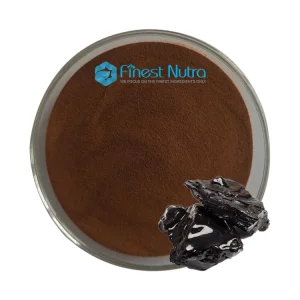
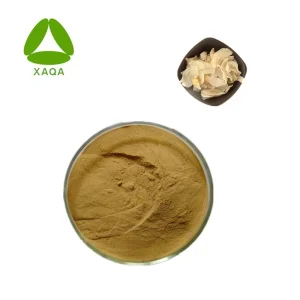
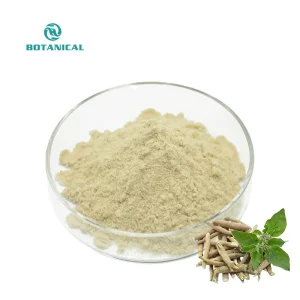
The modern consumer seeks targeted health benefits, such as cognitive enhancement, sleep support, and stress adaptation. Adapting active extracts like Withania Somnifera (Ashwagandha) Root Powder or Shilajit Fulvic Acid into chewable gummies, sublingual drops, and dispersible powder packets has revolutionized the supplement sector. Using water-soluble, highly refined botanical powders ensures that the final consumer product retains maximum potency without leaving unpleasant sediments or tastes in the mouth.
Our commitment to international quality compliance and supply chain security.
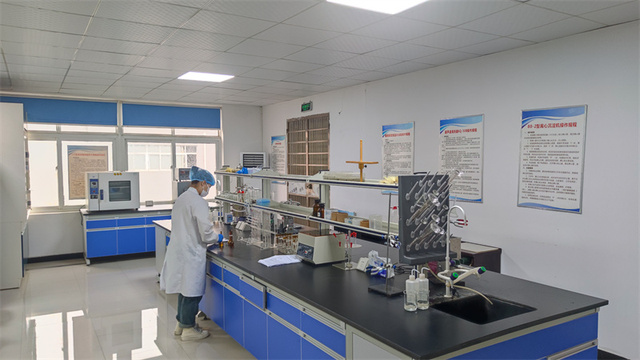
Shenzhen Rubrum Biologics Co., Ltd. is a leading China herbal extract manufacturer specializing in the research, development, production, and supply of high-quality natural plant extract ingredients for the food, supplement, and cosmetic industries. With a strong focus on innovation, quality assurance, and sustainable sourcing, the company serves customers worldwide with reliable botanical ingredient solutions.
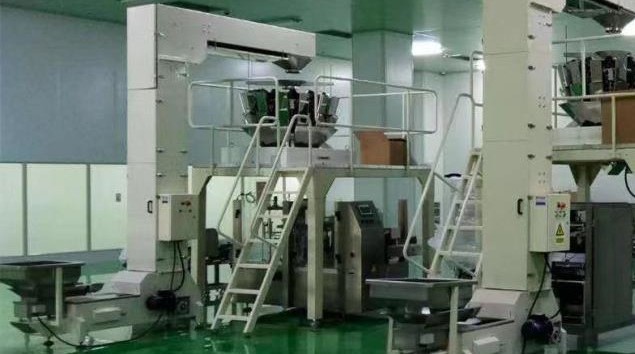
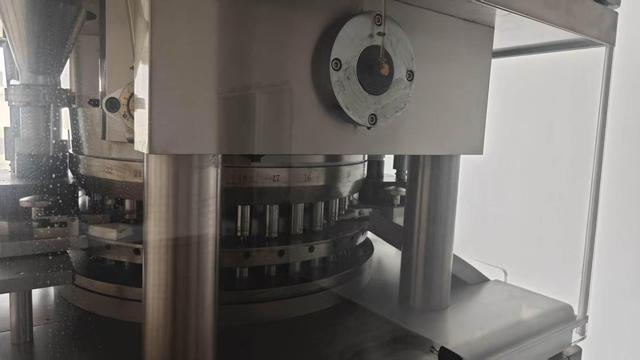
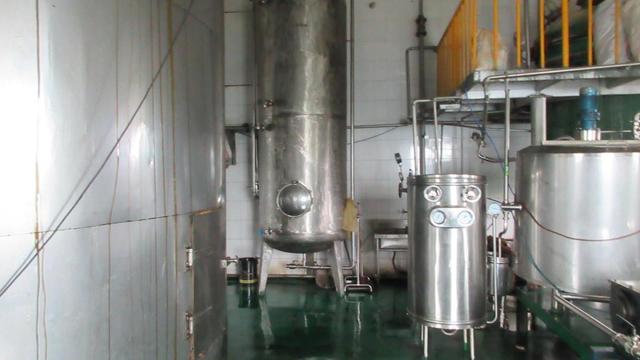
Leveraging advanced extraction technologies and modern manufacturing facilities, Shenzhen Rubrum Biologics offers a comprehensive portfolio of herbal extracts, botanical powders, natural active ingredients, and customized plant-based formulations. Its products are widely used in dietary supplements, functional foods, beverages, nutraceuticals, personal care products, cosmetics, and wellness applications.
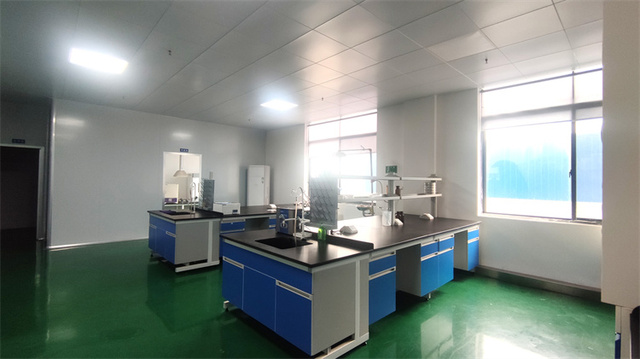
The company is committed to maintaining the highest standards throughout the entire production process, from raw material selection to final product delivery. By implementing rigorous quality control procedures and advanced analytical testing methods, Shenzhen Rubrum Biologics ensures product consistency, purity, and safety in accordance with international quality requirements.
Driven by a dedicated research and development team, the company continuously explores innovative extraction technologies and new botanical applications to meet the evolving needs of global markets. Customized solutions are available to help customers optimize product performance, enhance formulation efficiency, and accelerate product development.
With a customer-oriented philosophy, competitive manufacturing capabilities, and a stable global supply network, Shenzhen Rubrum Biologics Co., Ltd. has established long-term partnerships with manufacturers, distributors, and brand owners across numerous countries. The company remains committed to delivering premium natural plant extract ingredients that support healthier lifestyles and sustainable industry development worldwide.
Strategic insights for supply chain managers, procurement officers, and product developers.
The botanical extract industry is moving toward clean, eco-friendly processing. Solvent extraction is shifting from harsh organic chemicals (like hexane) to green solvents, including ethanol, water, and supercritical carbon dioxide (CO2). This shift helps brand owners avoid regulatory issues regarding heavy metals and pesticide residues. In markets like the European Union and California, USA, compliance levels are strictly monitored, meaning transparency in sourcing is no longer optional.
Another major trend is the demand for water-soluble extracts. Standard raw herbal materials are often hydrophobic, which can make processing functional foods, instant drinks, and water-based cosmetics difficult. Advanced micro-encapsulation and nano-emulsification technologies have helped bridge this gap. These innovations allow plants such as Ashwagandha and Shilajit to dissolve instantly in liquids, producing clear solutions with enhanced stability and sensory appeal.
Expert technical answers regarding manufacturing practices, quality assurance, and global shipments.
Explore additional plant-based ingredients, natural oils, and functional cosmetic formulations.
 Rubrum Biologics